Magnolia Blossoms, Canopy Roads, and Spanish Moss: Part 2

Dear Readers,

Click here to read the previous post about Southernisms:  Magnolia Blossoms, Canopy Roads, and Spanish Moss.

Here are some additional colloquialisms that I found:

Exclamation: Oh, ye gods and little fishes!

Response to impudence:  Well, Mr. High and Mighty!

Relishing something — usually, enthusiasm about a food item:   Like there’s no tomorrow! OR  Like it’s going out of style!

Working, with a great energy or resolve:  Going great guns! or Loaded for bear!

I am pleased for you:   Well, I’m proud!

Endearment:   “I call Baby Lucy ‘Spoon-Full-of-Sugar,’ because she’s so sweet!’   [Benjamin Daniel Stewart, 3 & 1/2]

Around here, we refer to some duties as “Being in the Briar Patch:”

Haley might ask Stephen, “Will you hold Lucy?”  

And he will respond, “No, no! Do not throw me in that Briar Patch!”  

The reference is from the Uncle Remus stories, which my grandmother read to us, over 55 years ago.

I am not sure if this phrase is uniquely Southern but I recorded a recent conversation between Grandaddy Stephen and Grandson Benjamin, 3 & 1/2:

Grandaddy:  Well, this picnic table has certainly “seen better days!”

Benjamin:  What is “seen better days?”

Grandaddy:  Well, do you see how the wood is old?  It has sat out in the sun so long that the wood has become rough and split and is falling apart in places?  

Benjamin:  Yes.  [Pause.]  UmmGrandaddy?

Grandaddy:  Yes, Benjamin?

Benjamin:  You have “seen better days!”

1 Comment

Filed under Southern Colloquialisms

“Between Heaven and Hell”

Dear Readers,

In my previous entry, I mentioned the date, 11.22.1963:  the exact day of death for three significant historical figures:

C. S. Lewis

John F. Kennedy

Aldous Huxley

I highly recommend the excellent book, “Between Heaven and Hell,” by Peter Kreeft, which envisions a conversation and intellectual debate between the three men.  The book artfully highlights the worldview of each of the three men, as C. S. Lewis engages Kennedy and Huxley in Socratic Dialog.

Who will win the debate?  Find out the answer, by reading this fascinating book:  it will sharpen your intellect and skill in the art of reason, persuasive argument, and logic.

Coram Deo,

Margot

Between Heaven and Hell: A Dialog Somewhere Beyond Death with John F. Kennedy, C. S. Lewis, & Aldous Huxley: 

is a novel by Peter Kreeft about U.S. President John F. Kennedy and authors C. S. Lewis (The Chronicles of Narnia) and Aldous Huxley (Brave New World), meeting in Purgatory and engaging in a philosophical discussion on faith. It was inspired by the odd coincidence that all three men died on the same day:  November 22, 1963. We see from the three points of view:  Kennedy’s “Modern Christian” view, Lewis’s “conservative Christian” or “Mere Christian” view, and Huxley’s “Orientalized Christian” view.  The book progresses as Lewis and Kennedy discuss Jesus‘ being God Incarnate, to Lewis and Huxley discussing whether or not Jesus was a deity or “just a good person.” [Wikipedia]

Peter John Kreeft 

(born 1937) is a professor of philosophy at Boston College and The King’s College.  He is the author of numerous books, as well as a popular writer of Christian philosophytheology and apologetics.  He also formulated, together with Ronald K. Tacelli, SJ, “Twenty Arguments for the Existence of God”.[1] 

Leave a comment

Filed under Worldview

A Gift for an Alert Reader!

Dear Readers,

Congratulations to Debbie Trostle!  She is the Alert Reader who guessed the correct Three Events, which matched the Three Dates I listed on a recent blog post.  Click here to review the post and to see her comment:  Milestones.

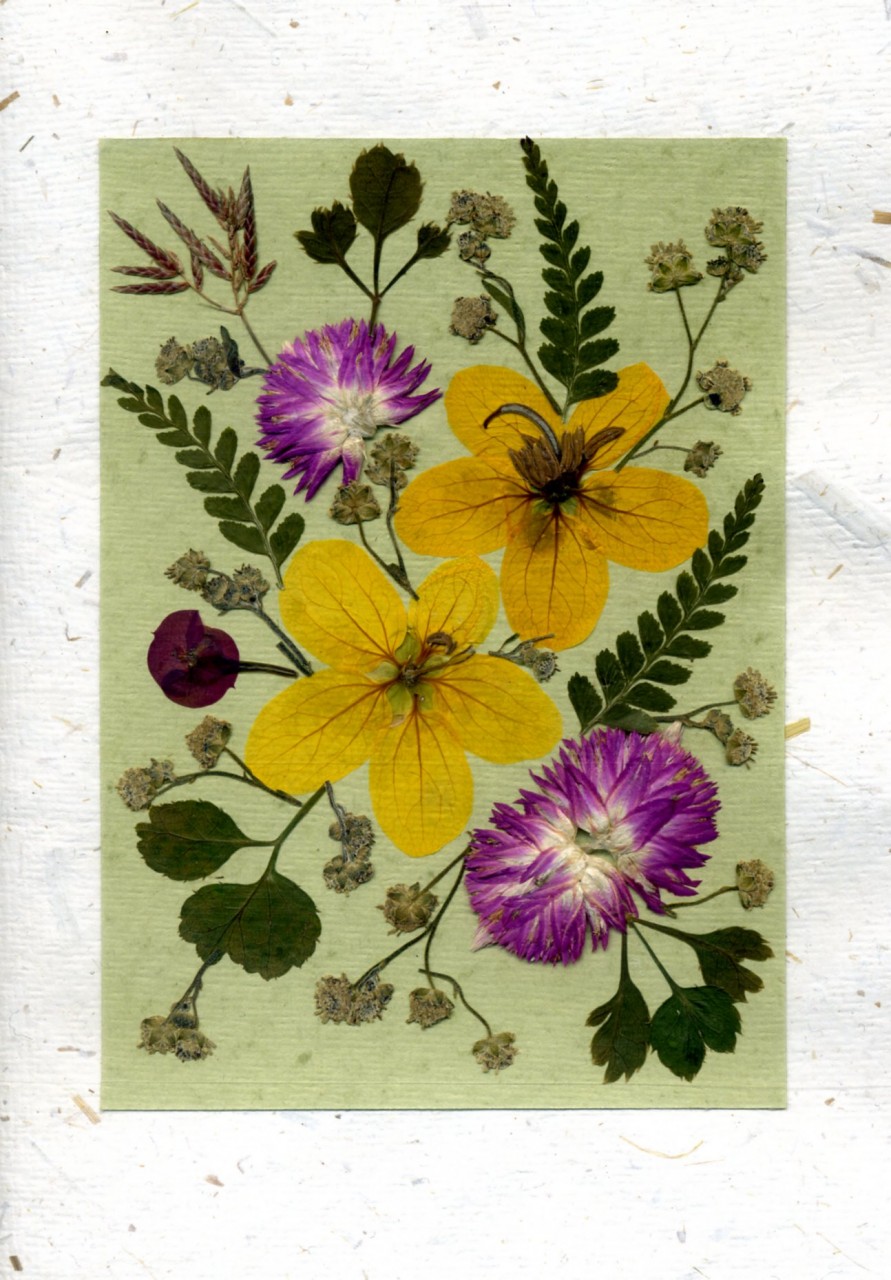
Since Debbie is proficient in her memory for dates, I am snail-mailing her a handmade paper botanical greeting card, which includes a gift bookmark.  She will, most likely, snail-mail the card as a birthday greeting.

The card is similar to the one above and is made by Petunia’s Botanicals in Asheville, NC.

The Three Date Clues were:

October 31, 1517:

December 7, 1941:

November 22, 1963:

Debbie guessed each date correctly but I will “enhance” the description of each event:

10.31.1517:  On the day of the Eve of All Saints in that year, Martin Luther posted his 95 theses on the door of the Wittenberg Church.    The date is now referred to as “Reformation Day” but most people mark it merely as “Halloween” [All Hallow’s Eve].

12.07.1941:  The Japanese airborne military bombed the US military Pearl Harbor, in Hawaii.

11.22.1963:  The assassination and death of the US President, John F. Kennedy.  Two other significant persons died on this exact date:   C. S. Lewis and Aldous Huxley.

In my next post, I will recommend a book based on the above fact.

Congratulations, Debbie!

Gentle Readers, you never know when I might decide to bestow a gift!

Coram Deo,

Margot


2 Comments

Filed under Alert Reader

Magnolia Blossoms, Canopy Roads, and Spanish Moss

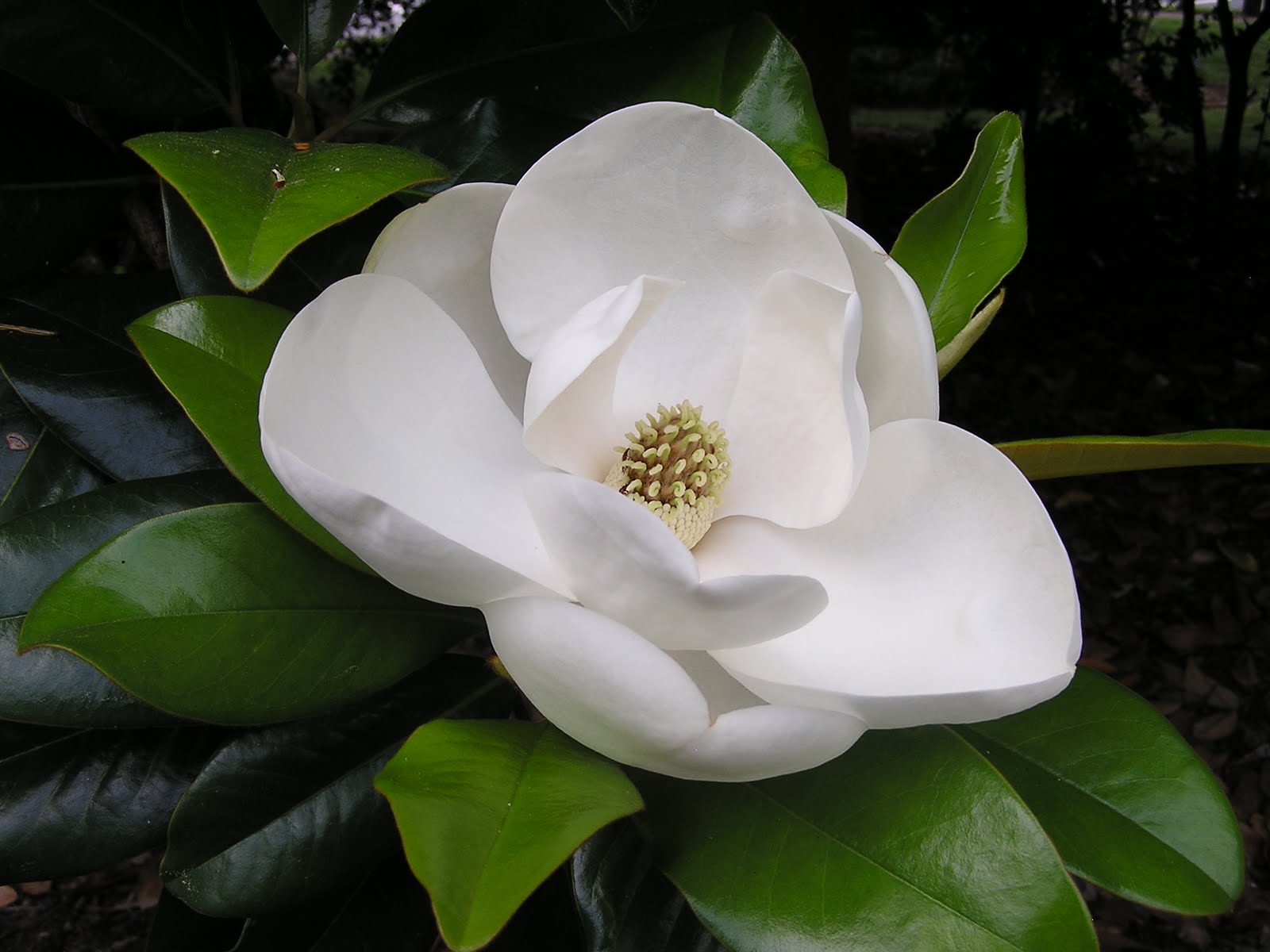
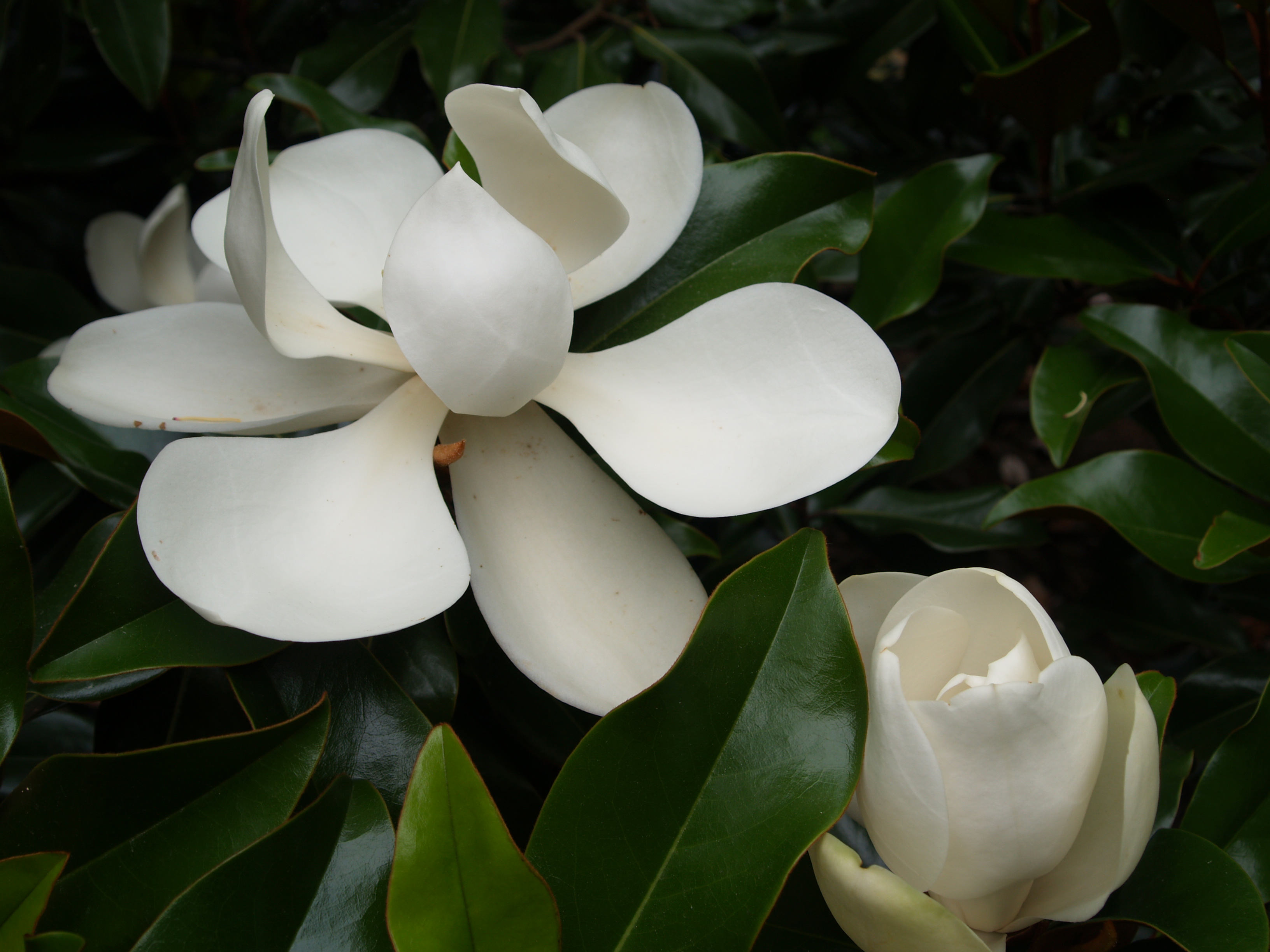
Southern Magnolia Blossom [Magnolia grandiflora]

Dear Readers, 

We have an expression in the South:  “I was not born in the South — but I got here just as soon as I could!”  [Source unknown.]

I was born on a military base in Texas, not in North Carolina, the home state of my parents and of all their kin.  After Texas, my family moved to North Carolina, then California, back to Texas, then to Louisiana, and back to California.  My parents retired to Florida and built a summer home in North Carolina.

I lived a total of ten years in California, far away from the South.

I returned to the South, in 1970, to attend FSU in Tallahassee, and I have lived here ever since.  Every summer, we have a Family Reunion in the mountains of North Carolina, the state I claim as my “home state.”

The first time I said to my grandson, “Young man, you are skating on mighty thin ice!”  I could hear the echo of my mother’s voice in my own.   She died in 2005 but her colloquialisms live on.  They are as Southern as magnolias blossoms, canopy roads, and Spanish moss.

Have you heard of any of these?  If you have any genteel and refined Southern expressions, colloquialisms, similes, please reply or comment, to contribute to this list!

Coram Deo,

Margot

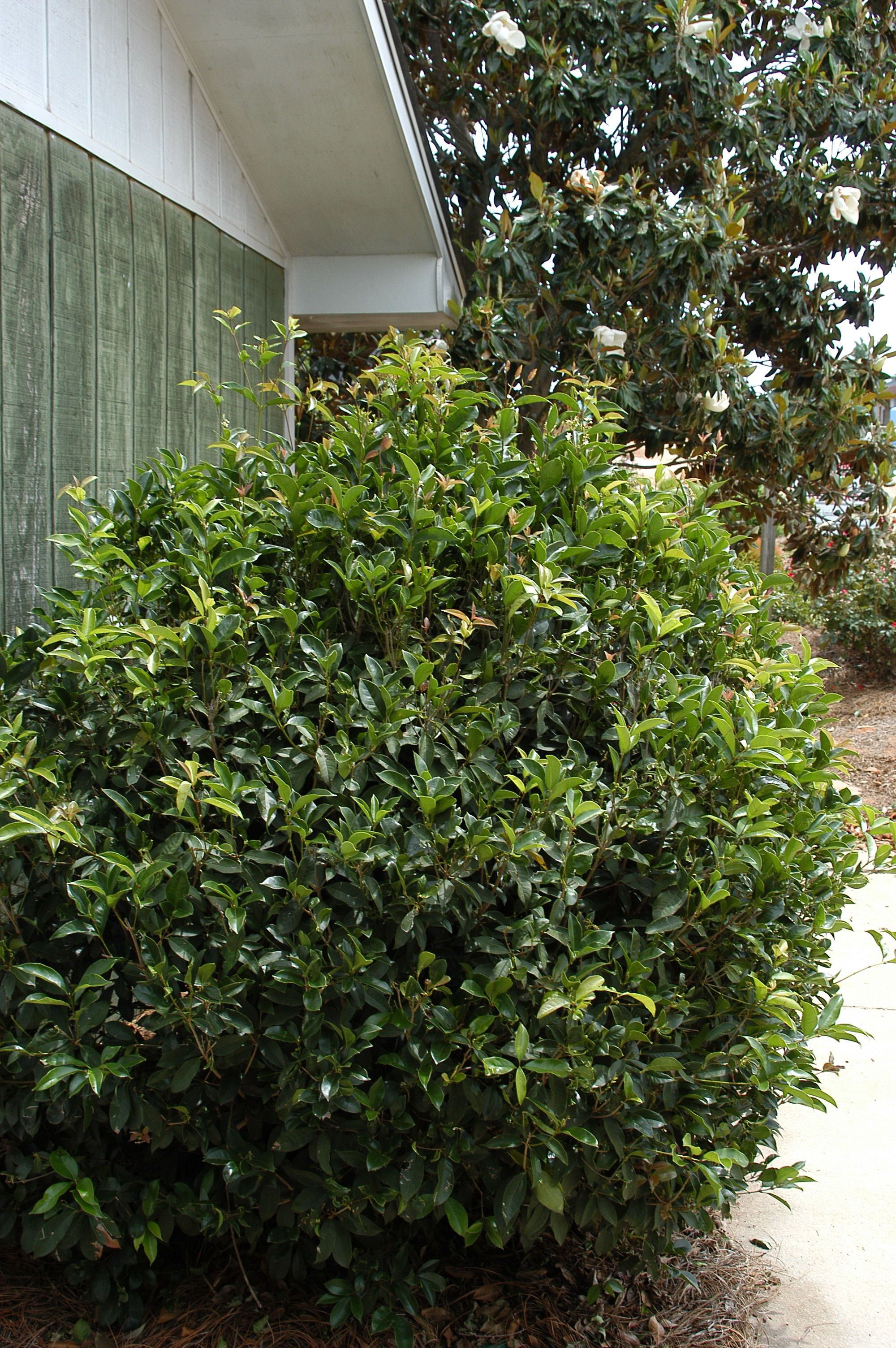
A Canopy of Oaks Trees, With Branches Bearing Spanish Moss

Southern Colloquialisms

 Source:

Unless otherwise noted:  Margaret Elizabeth “PEG” Van Hoy Blair, 1917-2005, raised in Yadkin County, NC.


Terms of Endearment:  for babies and children, as in, “You’re my little . . . “
. . . Sweet Pea
. . . Squash Blossom
. . . Pocket Peach
. . . Snicker Doodle
. . .Sweetie Pie
. . .Ginger Snap
. . .Sweet Lamb
. . .Heart Strings
. . .Pumpkin
Affection:
Well, bless your heart!
Well, bless your little bones!  [From my paternal great-grandmother.]
Well, bless your little ole pea-pickin’ heart!  [From Tennessee Ernie Ford.]
First thing in the morning:
There I was, running around in my shimmy tail![“Shimmy” means “chemise,” a slip or nightgown.]
Food: hunger, preparation, appreciation
Talk about good! OR Now, that’s what I’m talking about!
I’m getting’ a little thin around the waist!
Doodle it around![Mix it up and be quick about it.]
But don’t make a loblolly out of it!  [Don’t mix it too much or for too long and don’t make a mess.]
Fear:
It scared the pee-waddlin’ out of me!  [WAHD-deh-lin]
Preparing:
It’s fixin’ to rain OR I’m fixin’ to go.
Pleasure:
It pleasures me.
Let’s get to work!
We’re gonna clean this house for a fare-thee-well!
What you say or do is pompous or funny:
Well, poo-dill-ee-doo!
Oh, you just won’t do!
Warning misbehaving children:
You’re skatin’ on mighty thin ice!
I’m gonna snatch you bald-headed!
I’m gonna slap you into next week!
I’m gonna jerk a knot in your tail!
Surprise, astonishment, fatigue, frustration, impatience, incredulity, or disappointment:
 
Oh, good night!
Great day in the mornin’!
Heavenly days!
Oh, rat’s ankle!
Oh, shavin’s!
Ye gods!
Shoot a monkey!
Heck fire! [Heck FAHR!]
Oh, my soul and body!
Aah, lah! [or Hah, lah]!
 
Oh, for pity’s sake!
Lawsy, Pete!
My . . . my . . .  my . . . [slowly]
Good night a-living!  [From Ida Jean Hartsfield Sapp]
Well, I swanney!
Intention and Resolve:
I vow and declare!
I’m bound and determined!
Transportation:
I’m fixin’ to carry you to the hospital.
Agreement:
You’re shore right about that.
What you talkin’ about!
I mean!


Southern Similes:

 Like . . . . . . white on rice. Great interest, attraction, or enjoyment.
Like . . . . . . a duck on a June bug. Great interest, attraction, or enjoyment.
Cold as . . . . . . a frog.
Flat as . . . . .a fritter.
Slow as . . . . . .molasses [in January].
Hot as . . . . . . a firecracker.
Hot as . . . . . . a house-afire.
Tight as . . . . . . a drum.
Full as . . . . . . a tick.
Running around like . . . . . . a chicken with its head cut off!
Loose as . . . . . a goose!
Small as . . . . . Carter’s Little Liver Pills!
Quick as . . . . . .two shakes of a lamb’s tail.
As many as . . . . . . Carter has Little Pills!

Other Southern Expressions:

I don’t have a dog in that fight. I have no vested interest, informed opinion or comment.  From a friend of Amy Blair Sweeney, my sister. 
Honey!  She wasn’t wearing enough clothes to flag down a train!    From Lucy Sewell. 
Honey, that child was so rebellious!  Why, he dragged his whole family through a key hole!   From Lucy Sewell. 


Leave a comment

Filed under Southern Colloquialisms

Three Words to Consider

A Section of the Bayeux Tapestry, France

Dear Readers,

Readers of The Lord of the Rings appreciate the genius of G. K. Chesterton, the professional philologist:  one who loves words.  Below this entry, you will find a brief definition and derivation of the word, philology:  both of which will strengthen and enlarge the meaning of the word, beyond merely “one who loves words.”

Although not classically trained as a philologist, I  love language, learning, and literature.

I am pleased to introduce you to my friend, Rick Stewart, a fellow amateur philologist, who has graciously agreed to be my Guest Blogger today.   He will challenge our common assumptions about the meaning of three simple words.

Thanks, Rick, for your insightful comments.  I hope you will be a “regular contributor” to this blog.  Please return with the enhanced meaning of additional words!

Coram Deo,

Margot

THREE WORDS TO CONSIDER

by Rick Stewart

COMFORT:

I once read a commentary by Lucien Coleman who told of seeing a tapestry hanging in France with a section entitled “Edward Comforts His Troops.”  The tapestry depicted the king on horseback behind his soldiers with a lance pointed strategically at their backsides. This illustrates the complex meaning of the word comfort.

As Christians, we receive God’s comfort during the inevitable trials and suffering of this world.  Parakaleo in the original Greek means coming alongside to encourage. It does not mean escape from difficulty or being at ease.  It was used as a word for a legal counsel or a coach in an athletic event.  With that in mind, consider how the following passage calls for action rather than rest.  This kind of comfort gives counsel and direction.  God often does not take us out of our trouble but puts his strong arm around us and walks with us through it.   We should do the same for others.

II Corinthians 1 (NIV 1984)

3  Praise be to the God and Father of our Lord Jesus Christ, the Father of compassion and the God of all comfort,

4  who comforts us in all our troubles, so that we can comfort those in any trouble with the comfort we ourselves have received from God.

5  For just as the sufferings of Christ flow over into our lives, so also through Christ our comfort overflows.

6  If we are distressed, it is for your comfort and salvation; if we are comforted, it is for your comfort, which produces in you patient endurance of the same sufferings we suffer.

7  And our hope for you is firm, because we know that just as you share in our sufferings, so also you share in our comfort.

WAIT:

Another word enriched by examination is wait.  A famous exhortation from Psalm 27:14 says:  Wait on the Lord; be of good courage, and He shall strengthen thine heart. Wait, I say, on the Lord!

God’s timing is often not synchronized with our expectations. This Psalm reminds us to be patient because God is always faithful.  I think the word wait should also be a call to action; to active waiting, much like a waiter at a restaurant.  We must seek God’s orders for the present and be attentive to His desires within his timing.  I don’t want to carry the analogy too far but the idea of lethargic inactivity just doesn’t seem to be God’s will for anybody’s life.  I want to be the kind of waiter that God asks for when calling for reservations.

CLEAVE:

In premarital counseling, I have often quoted Genesis 2:24:

Therefore shall a man leave his father and his mother, and shall cleave unto his wife; and they shall be one flesh. 

The rhyme helps couples remember that God’s essentials for successful marriage include leaving and cleaving.

I then point out that cleave has two meanings and one result. In the quoted verse the idea of cleave is to cling to or unite with.  But another meaning is to cut apart or separate – for example, when a butcher uses a meat cleaver.  How can both these meanings help in marriage?  The key is the result – cleavage.  Cleavage is created when two separate things come together.  Cleavage cannot be created with one thing.   Marriage is not one person subjugating or absorbing another.  A successful marriage happens when two people each seek to follow God’s will for their individual life.  As each gets closer to God, they will inevitably draw closer to each other.  Cleavage is created.  Cleavage is not a thing; it is the space between two things.  It has no substance, yet it is very real. This is the mystery of how a man and a woman can maintain individuality and still become one flesh.

Rick Stewart

Rick is an ordained minister and currently serves as Chaplain at Covenant Hospice.  He and his wife, Carole, reside in Tallahassee and are members of Bradfordville Baptist Church.  Stephen and I are honored to know them as friends and to share with them the joys of grand-parenting.

They are parents to Daniel and Vanessa.  They are also grandparents to Benjamin and Lucy, the children of Daniel and Haley Stewart.  They are looking forward to the birth of their third grandbaby, when Travis & Vanessa Fletcher welcome their first-born child, later this year!

Philology

[Source:  Wikipedia]

Philology is the study of language in written historical sources; it is a combination of literary studieshistory and linguistics.[1]

Classical philology is the philology of Greek and Classical Latin.  Classical philology is historically primary, originating in European Renaissance Humanism, but was soon joined by philologies of other languages both European (GermanicCelticSlavistics, etc.) and non-European (SanskritPersianArabicChinese, etc.). Indo-European studies involves the comparative philology of all Indo-European languages.

Any classical language can be studied philologically, and indeed describing a language as “classical” is to imply the existence of a philological tradition associated with it.

Because of its focus on historical development (diachronic analysis), philology came to be used as a term contrasting with linguistics.  This is due to a 20th-century development triggered by Ferdinand de Saussure‘s insistence on the importance of synchronic analysis, and the later emergence of structuralism and Chomskyan linguistics with its emphasis on syntax.

The term philology is derived from the Greek φιλολογία (philologia),[2] from the terms φίλος (philos), meaning “love, affection, loved, beloved, dear, friend” and λόγος(logos), meaning “word, articulation, reason,” describing a love of learning, of literature as well as of argument and reasoning, reflecting the range of activities included under the notion of λόγος.  

The term changed little with the Latin philologia, and later entered the English language in the 16th century, from the Middle French philologie, in the sense of “love of literature.”   [Wikipedia

2 Comments

Filed under Philology, Words & Language

Portals Into Places of Enchantment: Two

Dear Readers,

Now I come to the second of the  beloved books that will never leave my library:

In a previous entry, I said that some books were Portals Into Places of Enchantment.  Click the link to read the first installment in this series.  To read more about Places of Enchantment, click this link.

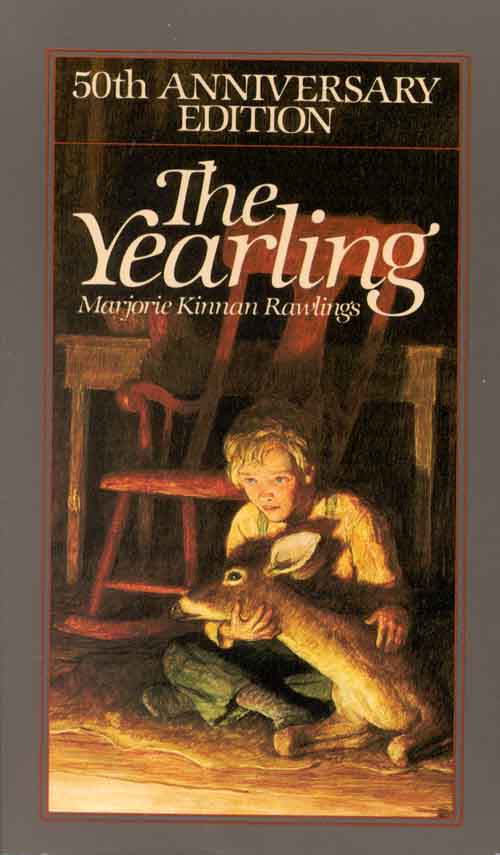
The first “portal” I described is an early edition of Cross Creek, a gift from my son.  The second one is a hardback edition of The Yearling, with illustrations by Wyeth.

In her book of memoirs, Cross Creek, Marjorie Kinnan Rawlings describes herself as an excellent and discriminating — yet vain — cook.  She declares that she would squander her very last dollar to buy Jersey cream and butter.

For my part, I would invest my last dollar to rescue her Pulitzer-Prize winning book, The Yearling, from the dusty recesses of the Young Reader Section of book stores and libraries.

It is true that the protagonist of the book is a boy of twelve but it does not follow that the primary audience of the book should be of the same age.

To fully appreciate the novel, you must first experience a great deal of life:  an impossible feat for a Young Reader.  Only an adult is seasoned enough by life to appreciate the depth and richness of the wisdom which flows through the narrative.

I first read The Yearling as a young mother and I have read it now, as  a [young] grandmother:  Every time I read the book, its lessons becomes more essential to me.

In fact, this novel is the best book on parenting and grandparenting that you will ever read.  Yes, a woman who bore no children wrote the best parenting book.  Yet, sadly, you will never find this book on a list entitled, “How to Parent.”  [But I intend to remedy that oversight, also.]

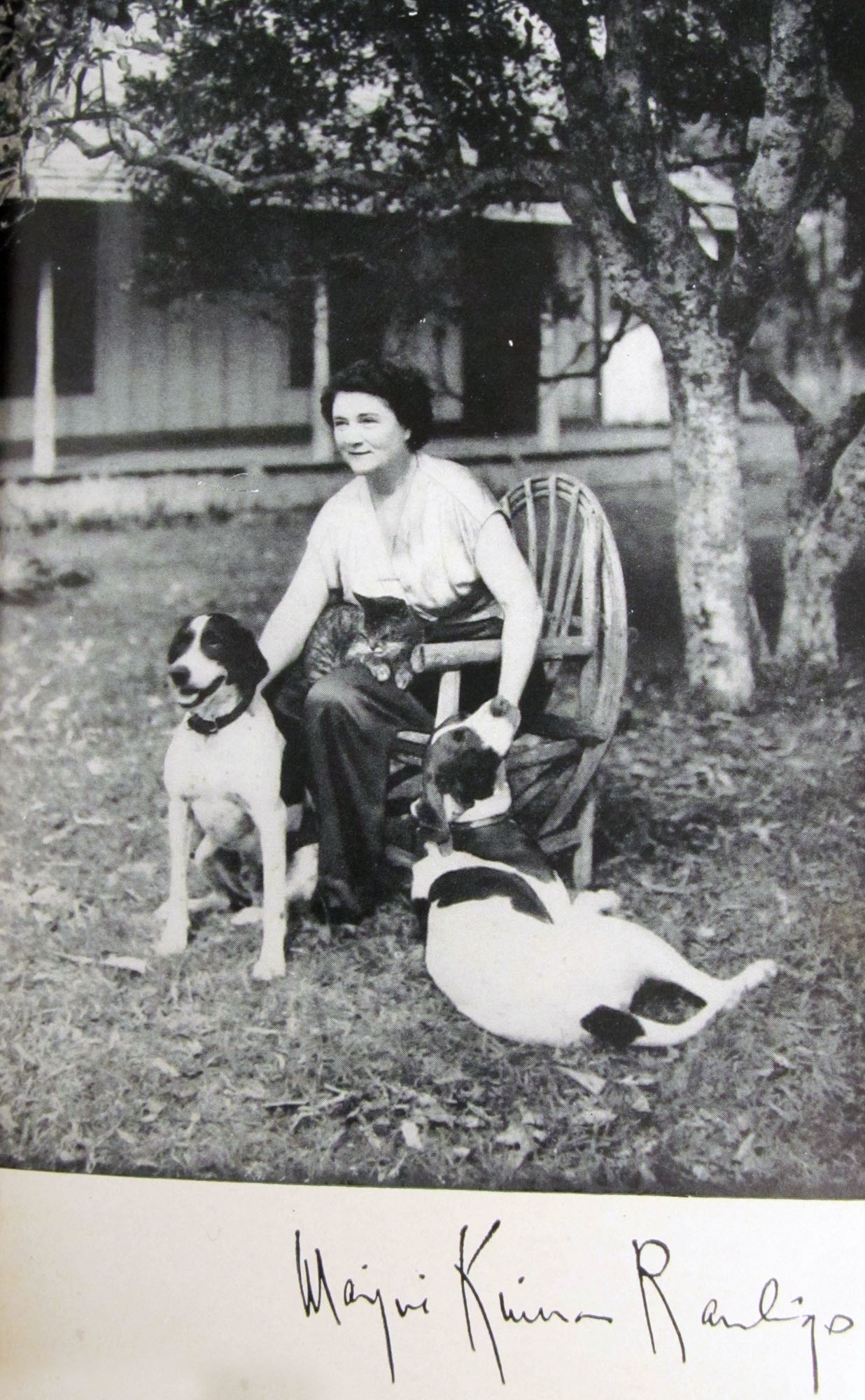
Marjorie Kinnan Rawlings at her home and farm in Cross Creek, Florida

Thirty-five years ago, I visited the hamlet, Cross Creek, near Micanopy, Florida, where Marjorie Kinnan Rawlings wrote the book, The Yearling.  I confess that I did not read her book until almost five years later.

I thought it odd that, when I finished the novel, I wept.  I am not a sentimental person [and neither was Rawlings].  Yet, I am astounded by genuine beauty, goodness, and truth:  themes that Rawlings,  a master story-teller and wordsmith, brings to life with brilliance.

Evidently, the weeping is not a rare response to the reading of this book.  To the other readers who wept upon finishing this enchanting book, I assure you:  I am a kindred spirit.

I wept not because I was sad.  Please understand, however, that the novel, mirroring life, contains tragic events.  No, I wept because the novel was so beautifully written.  It was painful to awake from and leave the enchanting world that Marjorie Kinnan Rawlings had created.

And yet something else made me weep:  Although Rawlings had been dead for decades before I read the book, I recognized in her a kinship and I deeply regretted not knowing her in real life.

The enchanting world she creates is not a romantic, escapist world.  Rawlings casts a non-sentimental view at the hard lives which her characters lead.  She was part of that world and her own life, invested in that rural hamlet of Cross Creek,  echoed the lives of her characters.

It is difficult to describe the novel as fiction:  The characters she draws are intimately familiar to her.  They are composites of “real life” children and adults that she knew in her 25 years of community living in Cross Creek.

She was never an impartial observer:  She was absorbed into the agrarian life, struggling, with her neighbors,  to wrest a living from the land and water surrounding Cross Creek.   And she was not always a famous author:  For decades, she depended upon the successes of her orange orchard and upon the produce of her farm.  A failed crop spelled disaster to each of those in the community.

If you are curious enough to enter the world of The Yearling, you must conform to its rhythm and cadence.  The book will absorb you and demand that you quiet your mind.   As you enter the portal, time will slow down.  The themes and metaphors will ebb and flow like the spring-fed rivers of North Florida.  The images evoked by the words and phrases are as crystal-clear as the springs.  It is an enchanting and quiet world and, for a time, the only sound you will hear will be those of the water birds, winging above those springs.

Marjorie Kinnan Rawlings Home and Museum:  Cross Creek, FL

I fully intend, someday soon,  to return to Cross Creek,  Florida, to pay homage to the woman who wrote this masterpiece.

By the way, the illustrious Max Perkins was Rawlings’ editor and you may want to read a delightful book, based upon the volume of correspondence between the editor and the writer:  “Max and Marjorie.”  It is out of print but I ordered a used hardback. Sorry;  I cannot let you borrow it.  You will have to order your own.

Coram Deo,

Margot

Leave a comment

Filed under Books

How My Garden Grows: Four

Bullet-Proof [BP] and Care-Free [CR] Plants!  

Dear Readers,

[After you read this entry, click: How My Garden Grows: Five.]

Even the first-time gardener can enjoy success!  Your plants do not have to look like this:

Bullet-Free [BF] and Care-Free [CF] plants form the “back-bone” of your garden.

And, as promised, I will give you a list of the best ones for NW Florida!

Take the list to your locally-owned nursery and ask to see these plants in “real life.”

THE VERTICAL SPACES OF YOUR GARDENS: 

When designing your gardens, think of a lofty and enchanting dwelling space, containing five “stories” or “levels:”

The Fifth [Top] Story:  

Let us assume that you have mature trees flourishing on your property.  Although it is true: “The best time to plant a tree is twenty years ago,”  the next best time to plant is today!

We have a pair of mature evergreen Southern Magnolia [Magnolia grandiflora] trees, one on either side of the house.  They provide delightful shade in the summer and protection for the songbirds during all seasons.  The larger of the two trees is over 50 years old and the shorter tree is 25 years old.  These trees typically grow to be 40-80 feet tall, with a 15-40 feet spread.

Proviso:  There is no Southern tree more lovely yet no task more odious than raking up the huge leaves.

A Quercus nuttallii [nuttall oak tree], planted by our next-door neighbors, provides welcome shade, as it towers over our common Garden Wall and generously graces both of our Courtyards.  60-80 feet tall with 35-50 feet spread.

Even better, our neighbors string “Fairy Lights” in the branches of this oak tree.

The Fourth Story:  

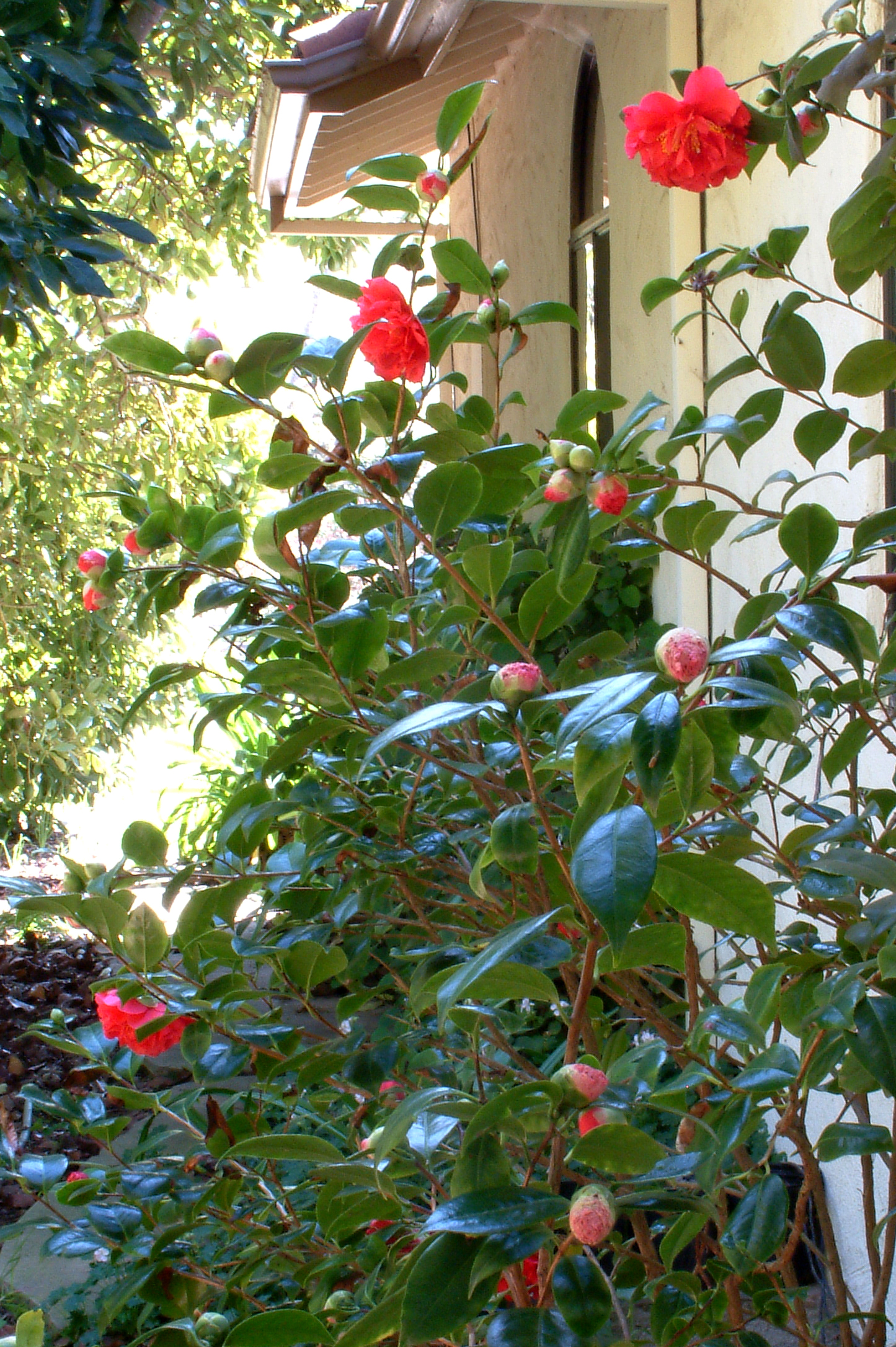
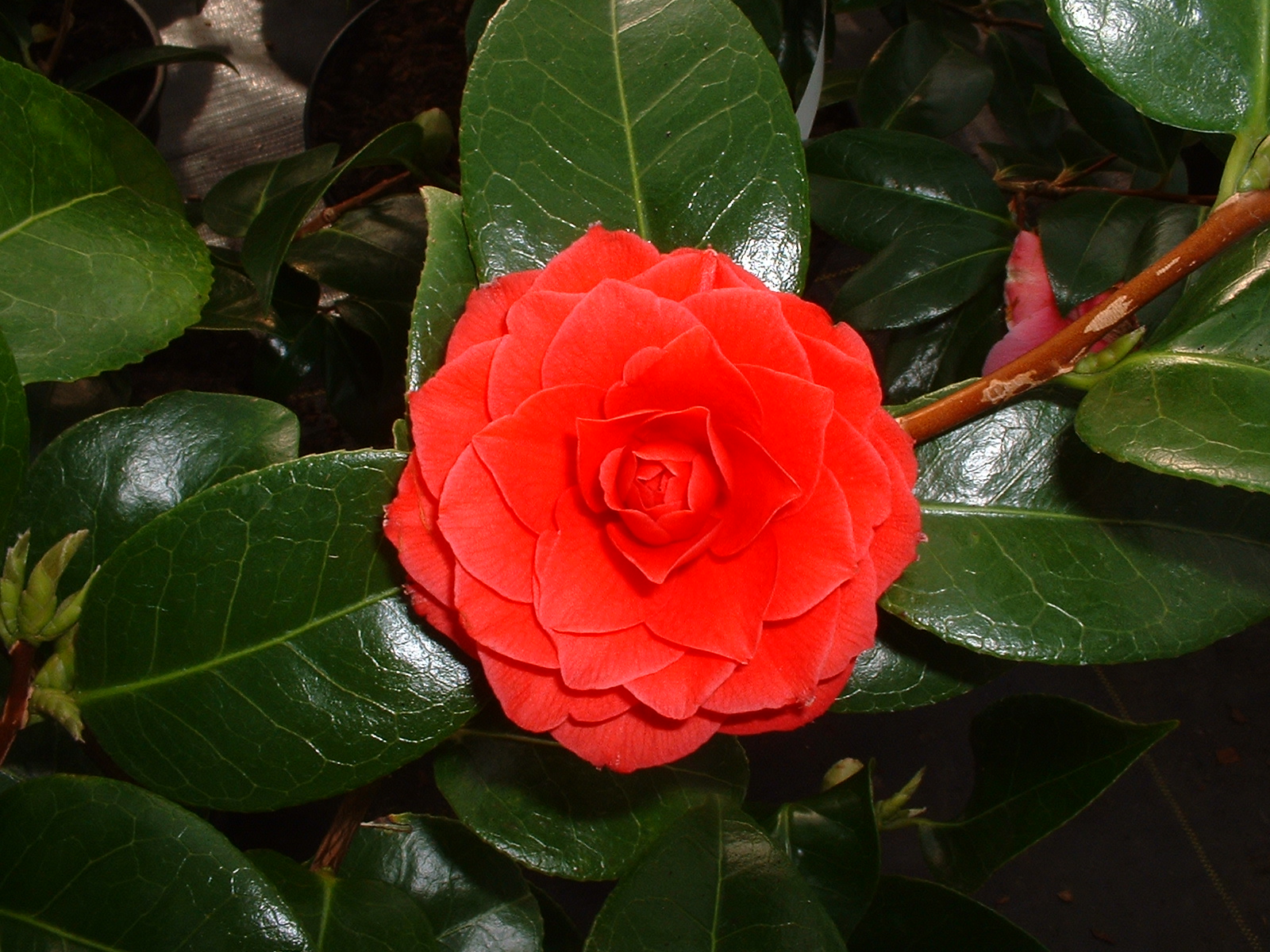
We have three mature Camellias [evergreen].  Once established, these plants are extremely resilient.  Proviso:  I have never attempted to grow them “from scratch” so you will have to research the requirements of the young Camellia. Our heirloom Camellias are probably fifty years old.

Two Osmanthus fragrans [evergreen: tea olive] flank either side of the front of our house.  Every garden should contain at least one.  The fragrance of the blooms is like that of crushed, ripe apricots.

Our Magnolia x soulangiana [deciduous: saucer Magnolia] blooms every February:

Six Crepe/Crape Myrtles [Lagerstroemia indica: Natchez] provide a bower for the Front Garden Walk.  These deciduous trees grow to 15 or 20 feet tall.  Remember:  Do not commit “Crape Murder!”  How lovely is the shape of the plant, when left alone!

The Third Story: A

Vines for Vertical Spaces [15-20 feet tall]:

We grow the evergreen vine, Ficus pumila [creeping fig] upon all of our masonry:  upon the Garden Walls, which enclose the sides and back gardens, and upon the Georgia red-brick exterior of our 1947 home.

The evergreen vine, Hedera [ivy] entwines the creeping fig.

The Third Story: B

Vines for Vertical Spaces:  [6-8 feet tall]:

Upon three hand-forged cast-iron arched trellises, we grow Trachelospermum asiaticum [star jasmine or Confederate jasmine].  The blooms offer a delightful fragrance.

A note about vines: “The first year, they sleep; the second year, they creep; the third year, they leap!”

Coram Deo,

Margot


Leave a comment

Filed under Gardens

A Daughter’s Lament: Part One

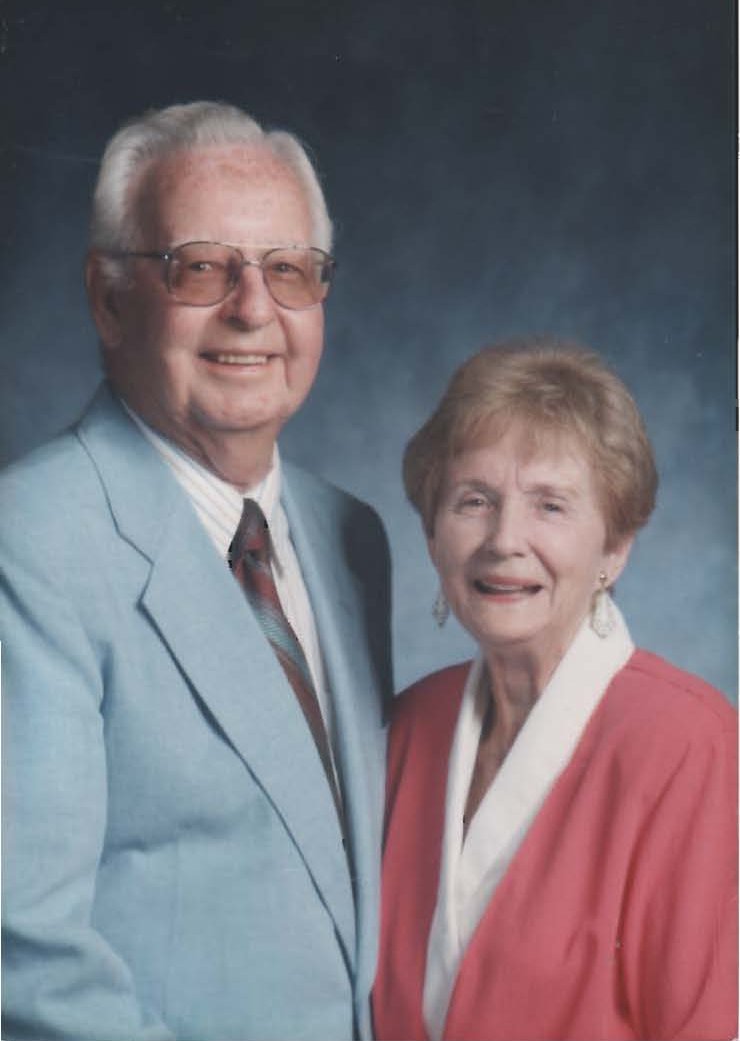
My Parents:  1946

My Parents: 1996

Dear Readers,

My father had not always been a gentle and patient man — not, that is, before my mother gradually slipped into the abyss of Alzheimer’s.  You have, perhaps, heard of the “blessings of Alzheimer’s.”  I will explain:

My mother suffered, for at least five decades, from a sad loss.  I knew, of course, that death was tragic but her loss was not tied to a death, unless it was the death of a dream.  Now I know, too late, that the death of a dream is, indeed, a deep loss.

If I had been more mature, I would have helped her to carry that burden.  But, alas,  I was selfish:  I wanted my mother to enjoy the life that she had been given, instead of focusing on what she had lost.  I yearned to know my “whole” mother, as she must have been, before the loss had touched her.  I resented the intrusion of her grief, which ebbed and flowed.

A few years before her death, the fog of Alzheimer’s gradually enshrouded her memory.  Thus, she was able, finally, to release her sorrow.  Evidently, she simply forgot the circumstances that were tied to her grief.  We  [her children] never breathed a word of those circumstances, so afraid were we that she would remember and, once again, take up the old burden.

It was then that my mother began to repeat stories and we braced ourselves, when she asked us: “Have I ever told you-all the story about Clyde Dunn?”

It was two years before my mother’s death and I perfectly remember the setting:  We were dining at Osaka’s Japanese Restaurant in Tallahassee.  Present were my parents, my husband, my son, my daughter, my future son-in-law, and myself.

When my mother asked us if we had heard the story, I groaned inwardly and said to myself, “Only 50 times.”  My father, I was certain, had heard the same story 100 times.  However, he smiled gently, patted her hand, and entreated her, “You tell it, Peg; it is a good story.”  [The story is below.]

I was never quite so proud of my father as I was at that moment.  He was teaching us how to honor my mother, during the “long goodbye” of Alzheimer’s.

Every one of us desires, before death, to know that his or her life was significant — that it mattered.  My mother loved to tell that story, I suppose, because it reassured her that her life had contained worth and meaning.  Goodness knows, I was woefully — and now painfully — inadequate in giving her that reassurance.

Mother’s Day and Father’s Day have passed.  However, do not wait for those Hallmark dates to come around again.  If your parents are still alive, I entreat you to pick up the phone or write a letter and let your parents know that they made their lives count and you appreciate them.

In spite of their many failings, their lives are still significant.  Forgive them for those failings and tell them now that you appreciate the things that they did right.

This is my lament:  My mother was a heroine and I never appreciated it — until Rev. Dunn stood up to deliver this tribute to my mother, at the Memorial Service in 2005.

This is his story.  Whether he is still living, I do not know.  My mother’s name, at the time, was Margaret Elizabeth Van Hoy and she was 25 years old.  This story has now become part of our family history.

Coram Deo,

Margot
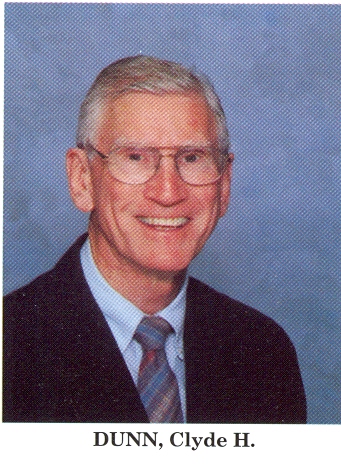
The Rev. Clyde H. Dunn [1997]

“I shall always be grateful that God placed Margaret at Mebane High School for the year 1943-44.  That was my senior year.

By the time I was a senior, I had gotten ‘hooked’ on alcohol.  I found myself in the predicament of not wanting to drink but unable to give it up.  One day, I went to school ‘under the influence’ and the principal discovered my condition.  I was immediately expelled, with the condition I would not be allowed to return to school to complete my senior year.

Your mother learned of my situation and sent word by a student for me to come and see her.  She saw a potential in me that the principal and other teachers did not.  When I met with her, she said that if I would promise to give up drinking, she would do what she could to get me back into school.  I promised and she met with the principal and he allowed me to return and finish my senior year.  I dread to think how different my life would have been had Margaret Van Hoy not intervened.

Upon graduation, I joined the U. S. Marine Corps.  I was converted [to Christianity] at the First Presbyterian Church, in Hollywood, California. I received a call into missionary service at a China Inland Missions Station in Tientsin, China.

After returning from military service, I completed college and seminary.  By then the ‘bamboo curtain’ had fallen in China and I was unable to fulfill my missionary calling.  I entered the pastorate of the United Methodist Church.

In 1958. an emphasis was put upon service to the ‘Chinese Dispersion’ and we volunteered.  We served with the Board of Missions from 1959-1972, mostly on the island of Taiwan.  After working ourselves out of a job, by turning over everything to the nationals, we went back into the pastorate here and served until 1993.

I do not think my life would have turned out the way it did if it had not been for your mother.  I will always be grateful for her, for the help she gave me, back in 1944.

~~The Rev. Clyde H. Dunn; Raleigh, NC.  [Written for my mother’s memorial service:  August, 2005.]


Clyde Dunn wrote and published a book about China:

Title T.C. Chao’s Struggle for a Chinese Christianity
Author Clyde H. Dunn
Contributor Emory University. Division of Religion
Publisher Emory University, 1974, Division of Religion, Dr. Justo L. Gonzalez., 1974
Length 240 pages
Subjects China


Clyde H. Dunn, a student minister from Emory University, was appointed to serve the [United Methodist Church] circuit from 1950-1953. During World War II, Dunn served with the U. S. Marine Corps in the Pacific.   John Ben Kelly and his family recalled the time Dunn was spending the night at their home and their three boys, Johnny, Jimmy, and Bobby, got in a pillow fight after Dunn had gone to bed.  John Ben kept calling to the boys to be quiet or they would wake the preacher.  A little while later, he discovered that Dunn was right in the middle of the pillow fight.

1 Comment

Filed under Tribute to My Mother

Telephone Etiquette

I may be an oddity  — but my parents taught me Telephone Etiquette.

Of course, there were no cell phones in those days [1955-1965].  The phones of my early childhood were  black, very heavy, with thick cords.  They offered no extra features, such as call waiting, call forwarding, or caller identification.  There were no buttons to punch — only a dial that rotated very slowly.

Evidently, parents do not teach Telephone Etiquette anymore — at least — not to my “wrong number” callers.   The awkward exchange follows this pattern:

*****************

[Ring, ring]

I  [pleasantly]:  “Hello.”

Caller mumbles:  “Is [incomprehensible name] there?”

I:  “Excuse me?”

Caller demands to know: “Who is this?!”

I:  “To whom did you wish to speak?”

Caller mumbles and repeats:  [“Incomprehensible name”].

I:  “I am sorry; I believe you have reached the incorrect phone number.”  

Caller demands to know: “What number is this?!”

I:  “What phone number did you wish to dial?”

The caller mumbles and hangs up — with no apology.

*****************

These exchanges always make me nostalgic about my childhood years, when my family lived on US Air Force military bases.  The Newcomer’s Committee gave each military family an “Etiquette Guide.”  Within the Guide were strict telephone rules.  Each child in each family learned how to correctly answer the telephone.  There are very good reasons for this requirement:

For example, my family spent ten years living on Vandenberg Air Force Base [AFB], the second largest Strategist Air Command AFB in the US.  Therefore, telephone communication was critical in the Air Force, where the motto is “Peace Is Our Profession.”

You see, my father’s work was in Missile Education and Safety.  Tensions between nations ran high during the Cold War and events heated up during the Bay of Pigs Incident and the Cuban Missile Crisis.  After the close of the work day, every commanding officer needed instant access to each subordinate, in case of an emergency.

We Air Force children learned to answer the phone quickly and to precisely identify the residence:

My parents coached me to say, “Captain Blair’s Quarters”  [Later, “Major Blair’s Quarters” or “Lt. Col. Blair’s Quarters”]

I always answered the phone with a strong, clear voice and said, “Captain Blair’s HEADQUARTERS.”   [I am surprised that no one corrected me.]

My parents coached me on all manner of telephone etiquette and, before I had my second set of front teeth, I could lisp the following helpful lines:

“To whom do you wish to speak?”

“I am sorry; my father is not available at the moment.  Whom may I tell him is calling?”  [We wrote down the name and number.]

If, by some rare chance, the telephone caller asked to speak to “Margot,” my parents coached me to reply:  “This is she.” 

I miss those old days and, from what I can discern, telephone etiquette in the Civilian World is on the wane.

For instance, my “wrong number” callers never identify themselves.

My early training taught me to inquire: “With whom am I speaking?”  

Yet there  is never a need to inquire about the name of the “wrong number” caller.   His name, obviously, is “Bubba.”

If ever, by some rare chance, I receive a “wrong number” telephone call from a polite, friendly, strong, articulate, clipped British voice, I plan to sit down and have a nice little “jaw” with him or her, about the “good old days.”

Leave a comment

Filed under Etiquette

Milestones

Dear Readers,

There are dates of significant historical events that, I suppose, will never be expunged from my  mind:

October 31, 1517:

December 7, 1941:

November 22, 1963:

I’m leaving the “events” blank, in hopes that An Alert Reader will fill in those blanks!

There is one date, however, that is mine alone to remember.  It is significant and burned into my memory.  However, rest assured: I do not expect any greeting cards, phone calls, or gifts.

The date is June 2, 2009 and I just celebrated the Three-Year Milestone, past my original Breast Cancer Diagnosis.

The Third Year is significant because my oncologist, Dr. Robert Carroll, told me, after my mastectomy, that my Breast Cancer was very aggressive.  Without chemotherapy, he said, I had a 41% risk of having a recurrence, within two years of the diagnosis.  Within the ensuing two years after a possible recurrence, I would be . . . . well . . . “gone.”  [Even oncologists, it appears, revert to euphemisms.]

I dislike sounding sentimental.  Yet, in all honesty, what a gift are these “extra” years of life!

I do not mind telling you that I will celebrate another significant milestone this year:  I will soon achieve 60 years of age.

I do not expect any greeting cards, phone calls, or gifts for this milestone, either.

However, please have the goodness to be happy for me!  I consider my next birthday to be neither tragic nor humorous.  The gift of 60 years of life on this earth, to enjoy my family and friends:  What a rich blessing!

You may complain about your age, your silver hair, and your wrinkles. But you probably should not complain around me.

It is all a matter of perspective.  And, from where I sit, the prospect of aging is a very bright one, indeed.

Coram Deo,

Margot

4 Comments

Filed under Breast Cancer