Tag Archives: bullet-proof plants

How My Garden Grows: Six

Ajuga [Bugleweed]

Dear Readers,

This is Part Six of “Margot’s Get-Real Guide to Gardening in North West Florida.”

I have previously described Stories or Levels in the vertical spaces of your garden.

In this entry, I will describe Story or Level One: Perennial Evergreen Ground-covers.  

The term “groundcover” applies to those plants that spread, clump, and creep, to form a dense covering over the ground, thereby crowding out weeds and preventing erosion.

Here are my favorite tall perennial evergreen ground-covers:  These plants are bulletproof, evergreen, blooming, and require no cutting [except for one].

These plants will help to form the “backbone” of your garden:  On a winter day, you will see lots of green in your garden!

More to come, in this series:  “The Big Picture of Garden Design.”

SHADE:

These three evergreen perennial ground-covers look fabulous together but you must plant them in shade.

Note: Be very sure about the sun exposure, before you plant these.  The deeper the shade, the better they will look.

Cyrtomium falcatum [Holly Fern]:

~part shade to full shade

~moisture:  regular

~looks great under a tree, in a mass

~soil:  does not require–yet likes–good soil

~do not plant too deeply


Aspidistra elatior [Cast Iron Plant]:

~part-shade to full shade: no bright, hot sun

~mositure:  moderate

~soil:  not required, but for best results:  amend the soil and fertilize regularly


Liriope muscari: dark green “Evergreen Giant”

~part shade to full shade

~water:  regular

~blooms once a year – not distinctive

~liriope [green] and [variegated] look great next to each other


SUN:  

Note: I have planted all of these in dappled sunlight.  They bloom quite well and the leaves do not appear stressed.

Rudbeckia nitida ‘herbstonne’ [“Autumn Sun”]

~grows to 6 feet tall and 2 feet wide

~profuse gold flowers in summer

~bluish-green leaves are very attractive

~trim this one, to control growth

~full sun to part shade

~blooms: yellow, summer to fall

~moisture: moderate

~attracts: butterflies

~grows 4-6’ tall

~plant 2-3’ off-center

Dietes [African iris]

~not an iris — but looks like one!

~requires moderate moisture

~grows 2-4′ tall and 2′ wide

~plant 1 foot off-center

~full sun or part shade
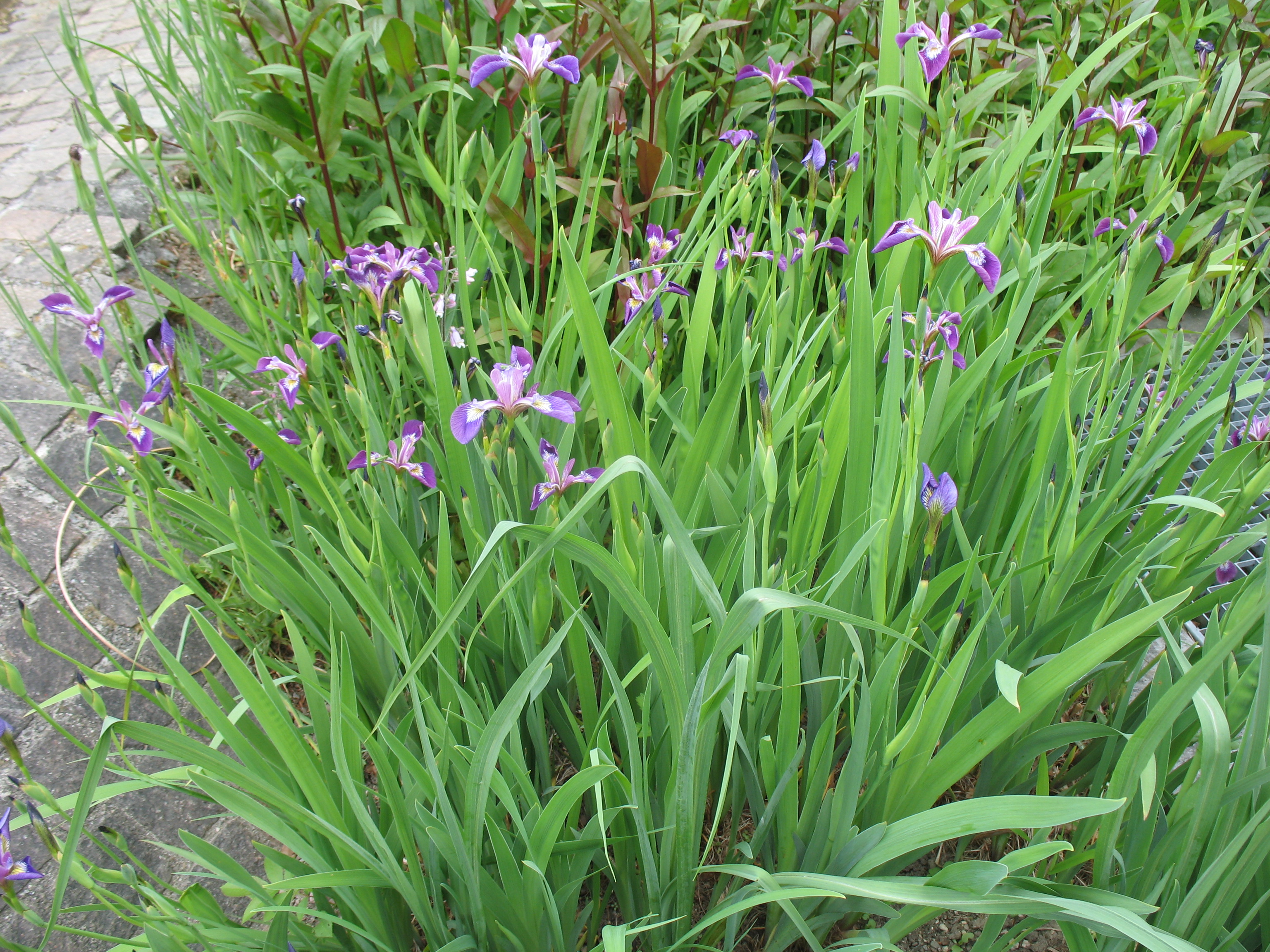


Iris Virginica ‘Blue Flag’

~likes acid, sandy soil

~requires high moisture:  I planted mine near a “fogger” or “mister” [to attract birds]

~grows 2-4′ tall

~plant 1-3′ off-center

~light: full sun or light shade
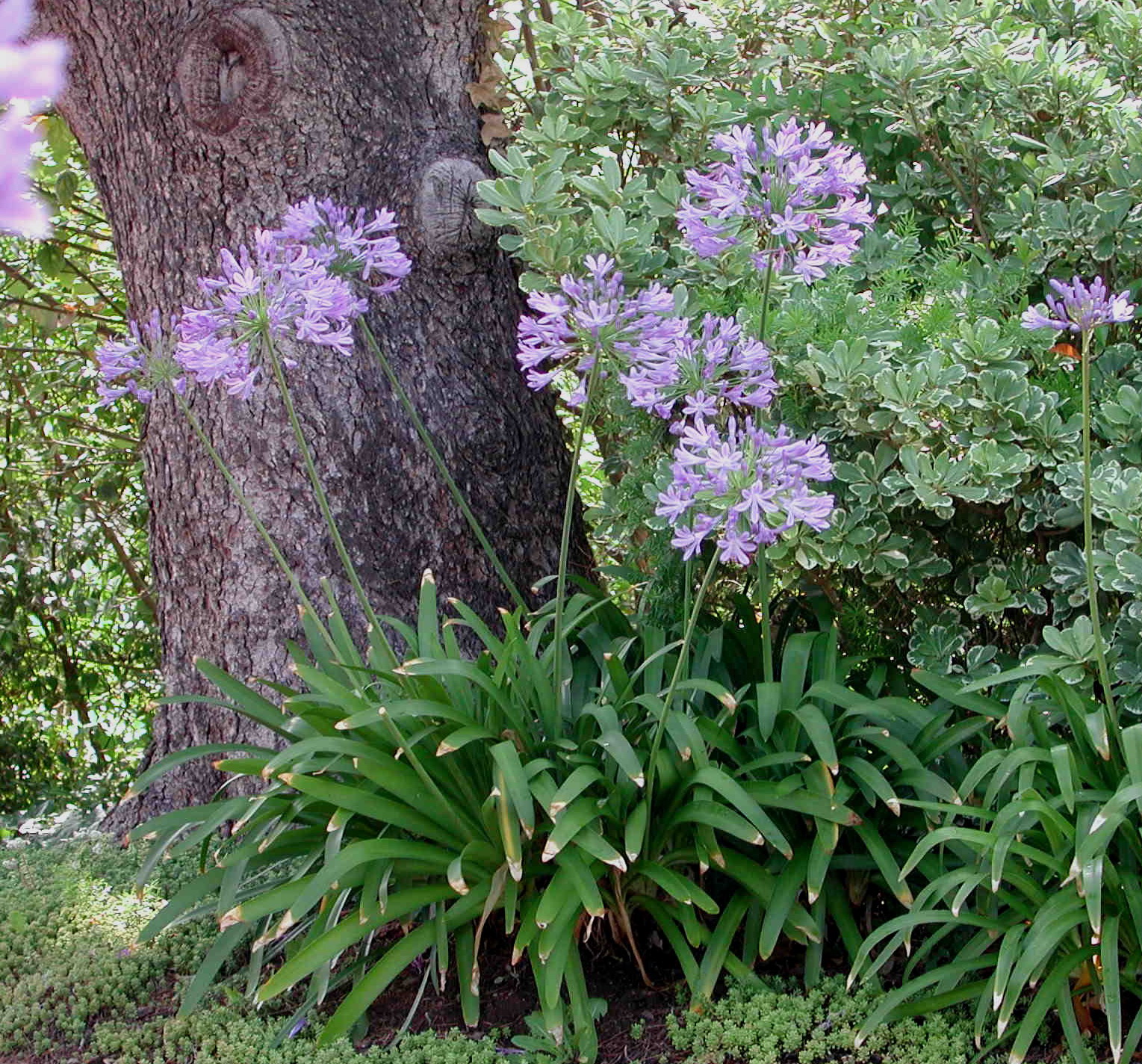
Agapanthus [Lily of the Nile]

~moisture: requires little water but can tolerate too much water, also~grows 4′ tall and 1′ wide

~large bloom on one slender stalk

~blooms:  colors from which to choose: white, lilac, indigo blue/purple

~blooms: distinctive blooms, on tall stems, various colors,  once a year

~requires full sun to part shade

~self-propagates

~easy to divide

~roots like to be crowded, in order to bloom

~choose the best variety for your area

~grows to 4 feet high; plant 1 feet off-center


1 Comment

Filed under Gardens

How My Garden Grows: Four

Bullet-Proof [BP] and Care-Free [CR] Plants!  

Dear Readers,

[After you read this entry, click: How My Garden Grows: Five.]

Even the first-time gardener can enjoy success!  Your plants do not have to look like this:

Bullet-Free [BF] and Care-Free [CF] plants form the “back-bone” of your garden.

And, as promised, I will give you a list of the best ones for NW Florida!

Take the list to your locally-owned nursery and ask to see these plants in “real life.”

THE VERTICAL SPACES OF YOUR GARDENS: 

When designing your gardens, think of a lofty and enchanting dwelling space, containing five “stories” or “levels:”

The Fifth [Top] Story:  

Let us assume that you have mature trees flourishing on your property.  Although it is true: “The best time to plant a tree is twenty years ago,”  the next best time to plant is today!

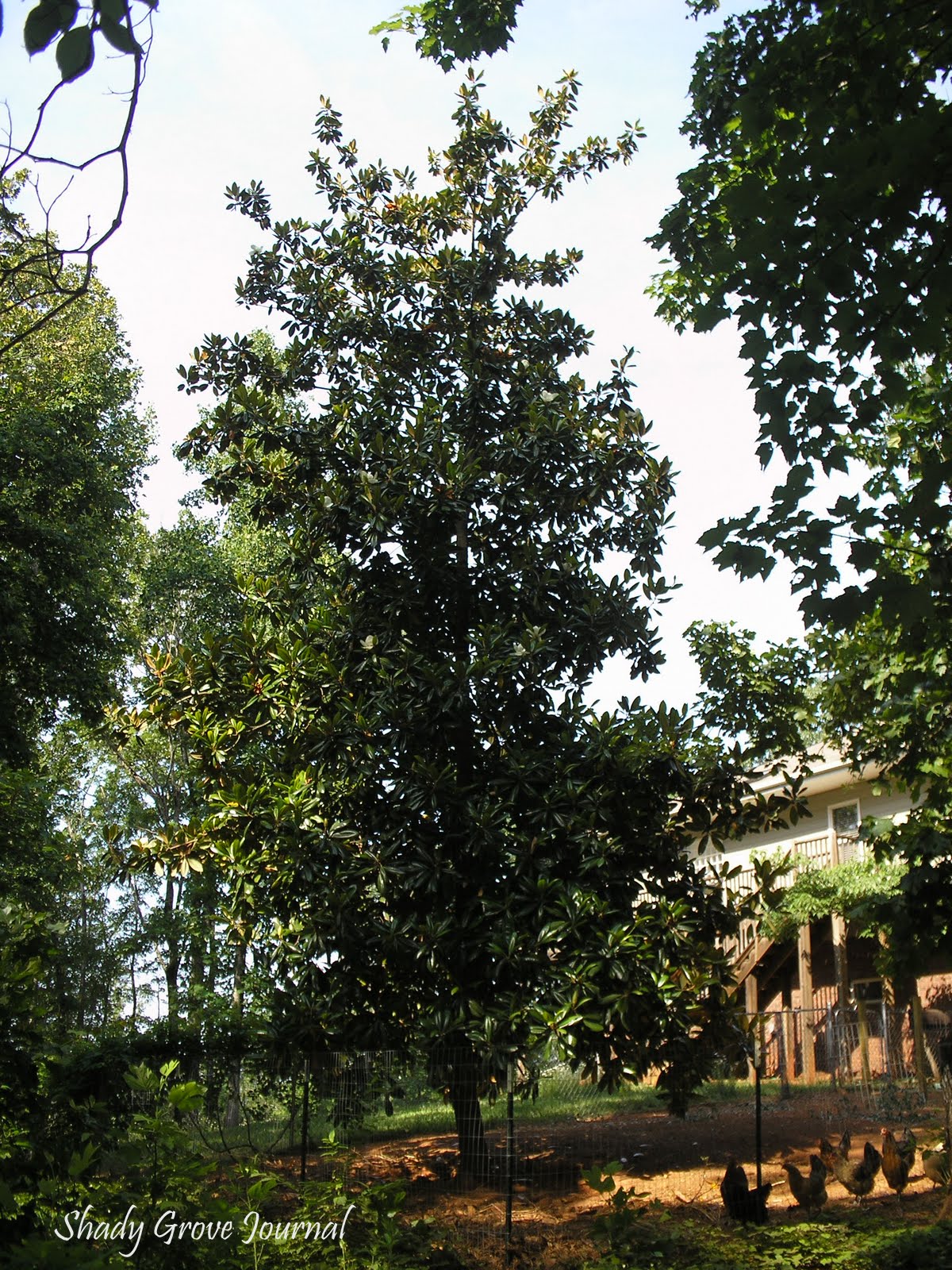
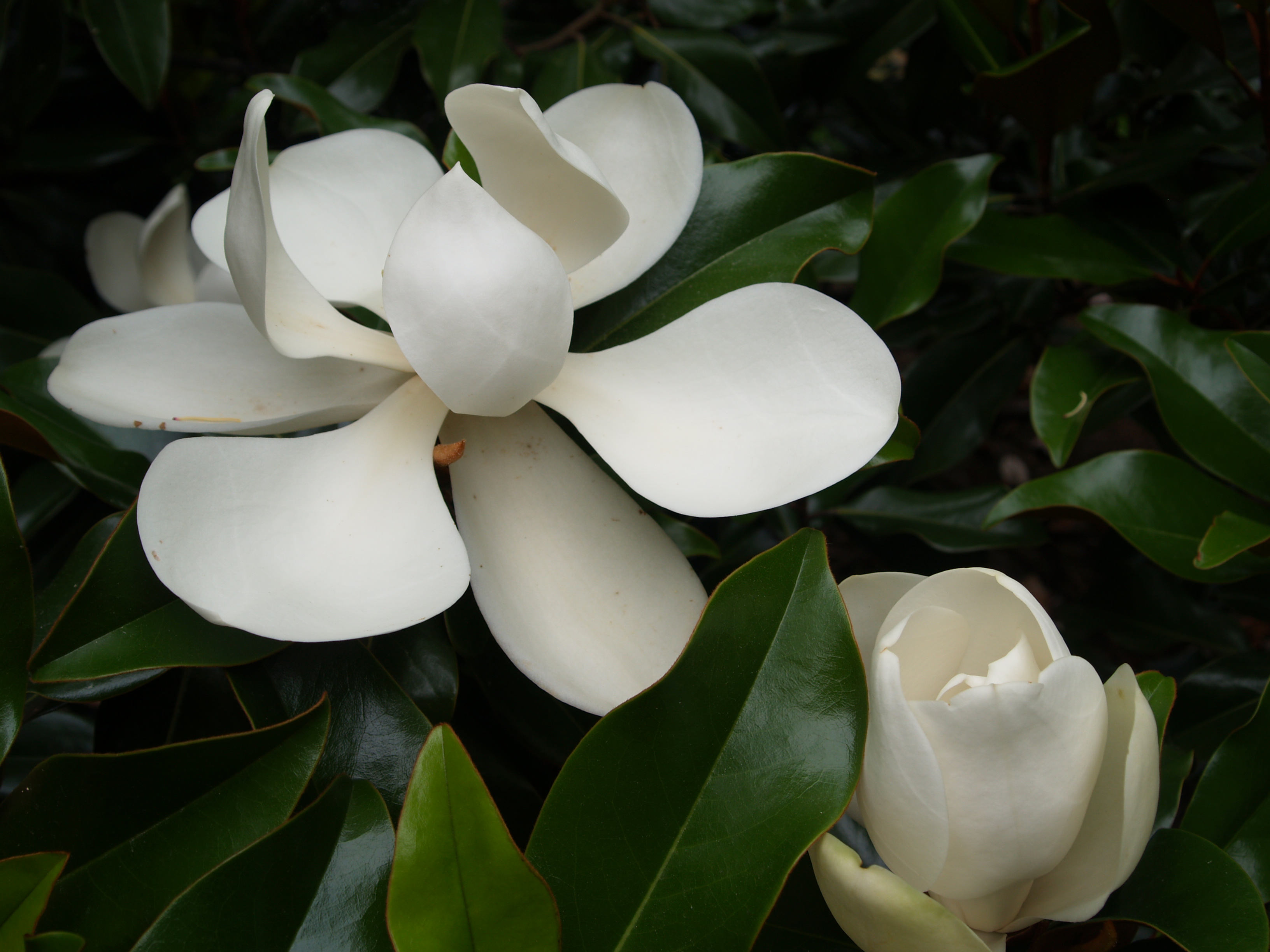
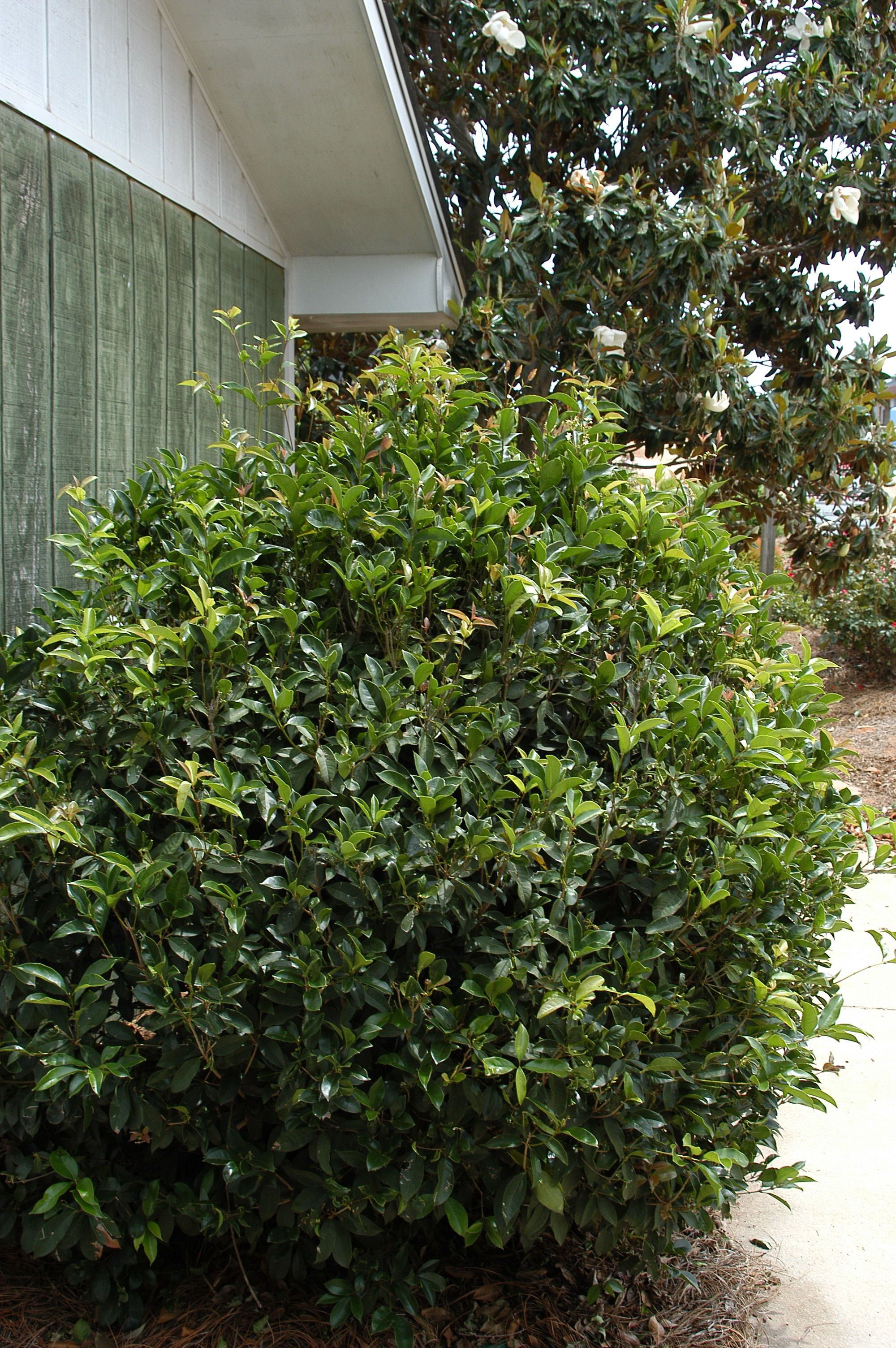
We have a pair of mature evergreen Southern Magnolia [Magnolia grandiflora] trees, one on either side of the house.  They provide delightful shade in the summer and protection for the songbirds during all seasons.  The larger of the two trees is over 50 years old and the shorter tree is 25 years old.  These trees typically grow to be 40-80 feet tall, with a 15-40 feet spread.

Proviso:  There is no Southern tree more lovely yet no task more odious than raking up the huge leaves.

A Quercus nuttallii [nuttall oak tree], planted by our next-door neighbors, provides welcome shade, as it towers over our common Garden Wall and generously graces both of our Courtyards.  60-80 feet tall with 35-50 feet spread.

Even better, our neighbors string “Fairy Lights” in the branches of this oak tree.

The Fourth Story:  

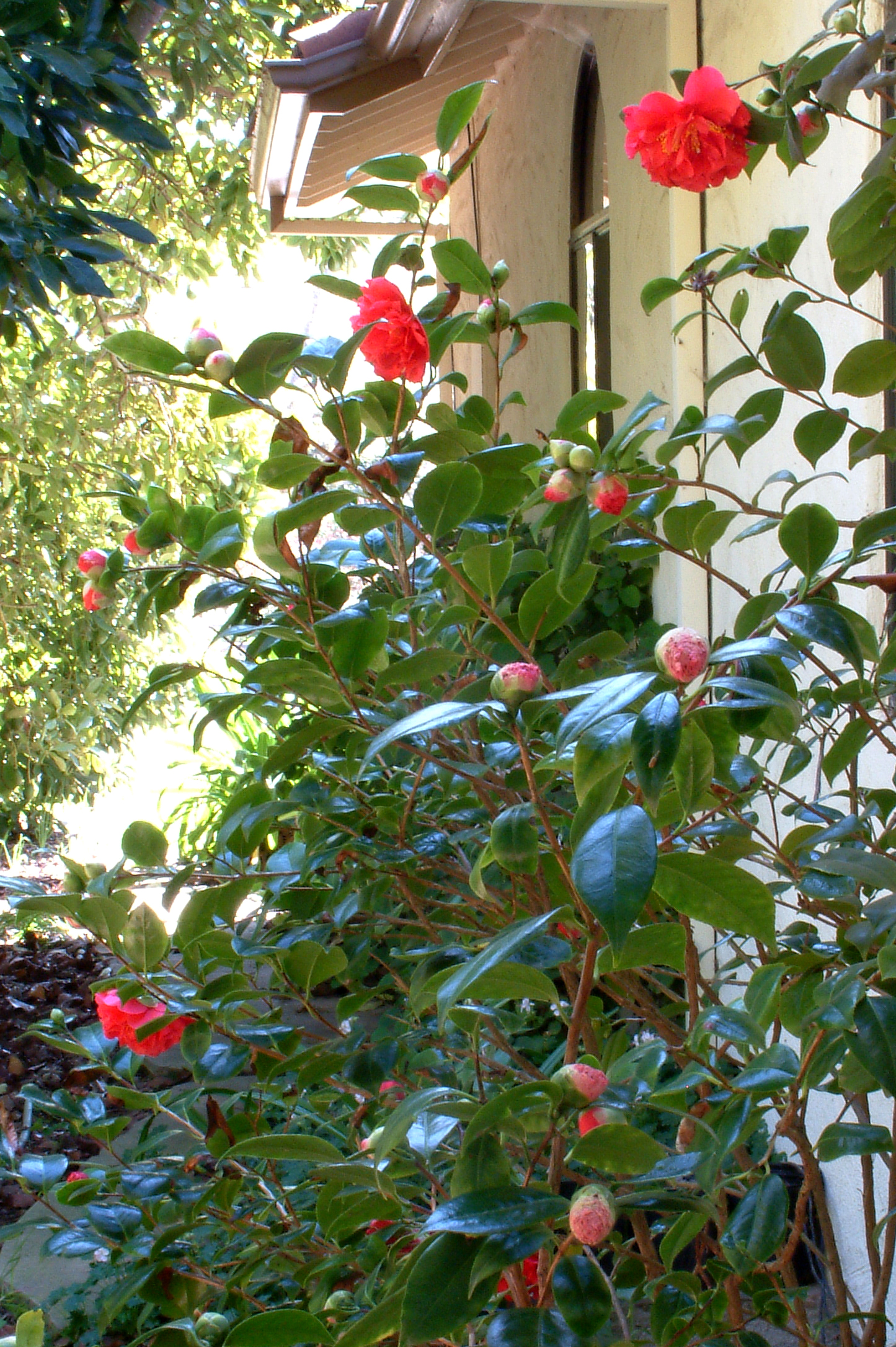
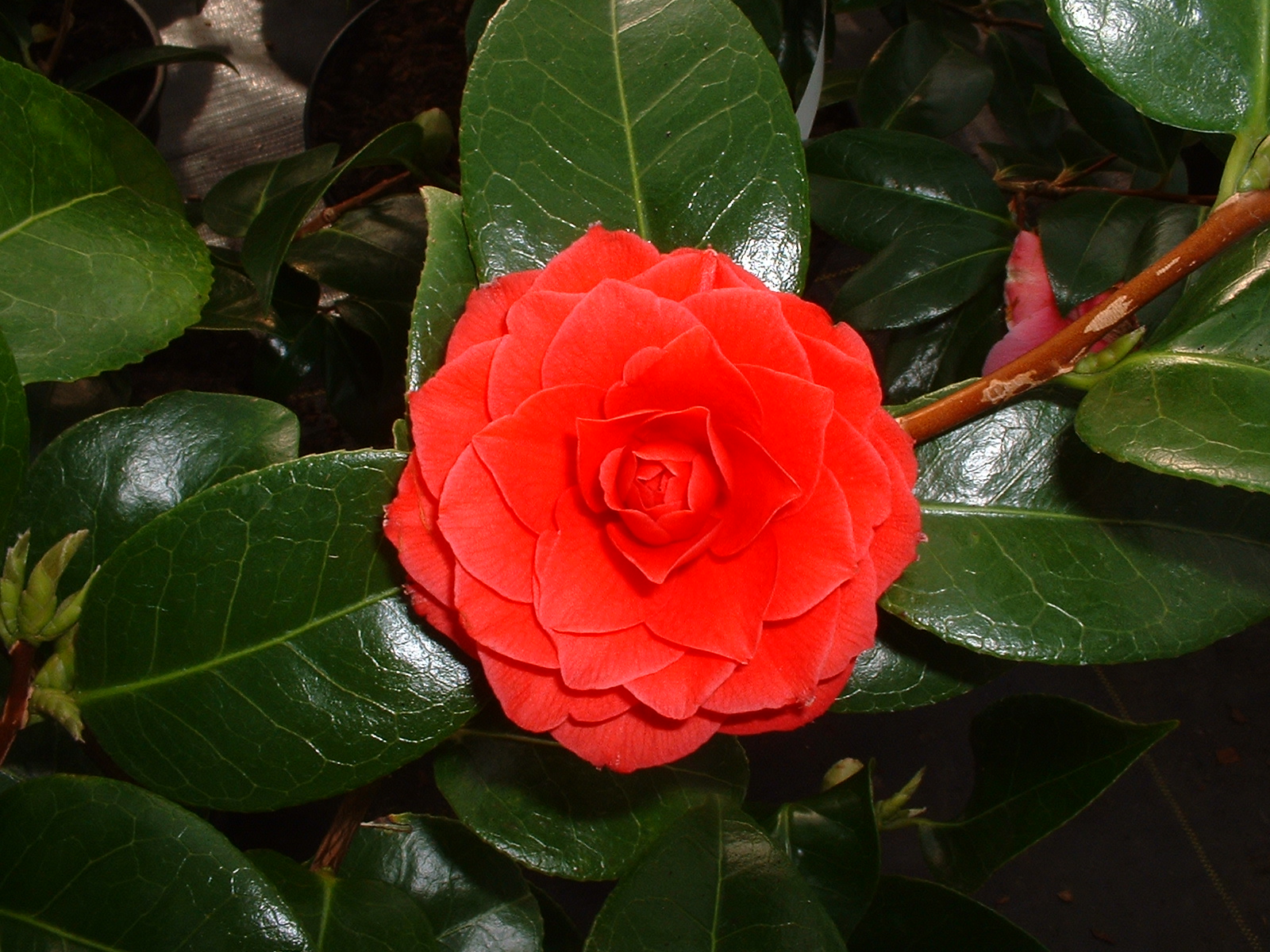
We have three mature Camellias [evergreen].  Once established, these plants are extremely resilient.  Proviso:  I have never attempted to grow them “from scratch” so you will have to research the requirements of the young Camellia. Our heirloom Camellias are probably fifty years old.

Two Osmanthus fragrans [evergreen: tea olive] flank either side of the front of our house.  Every garden should contain at least one.  The fragrance of the blooms is like that of crushed, ripe apricots.

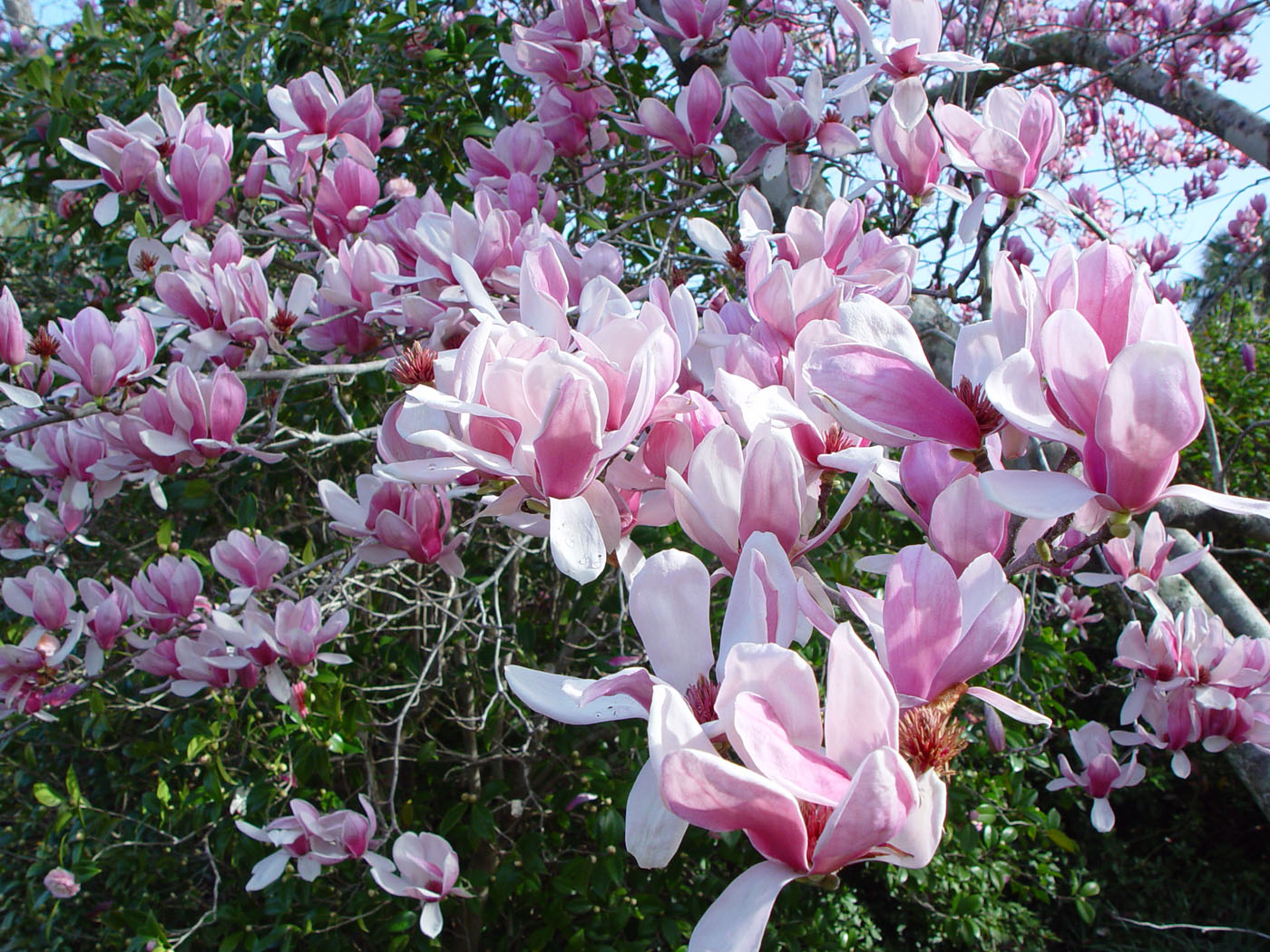
Our Magnolia x soulangiana [deciduous: saucer Magnolia] blooms every February:

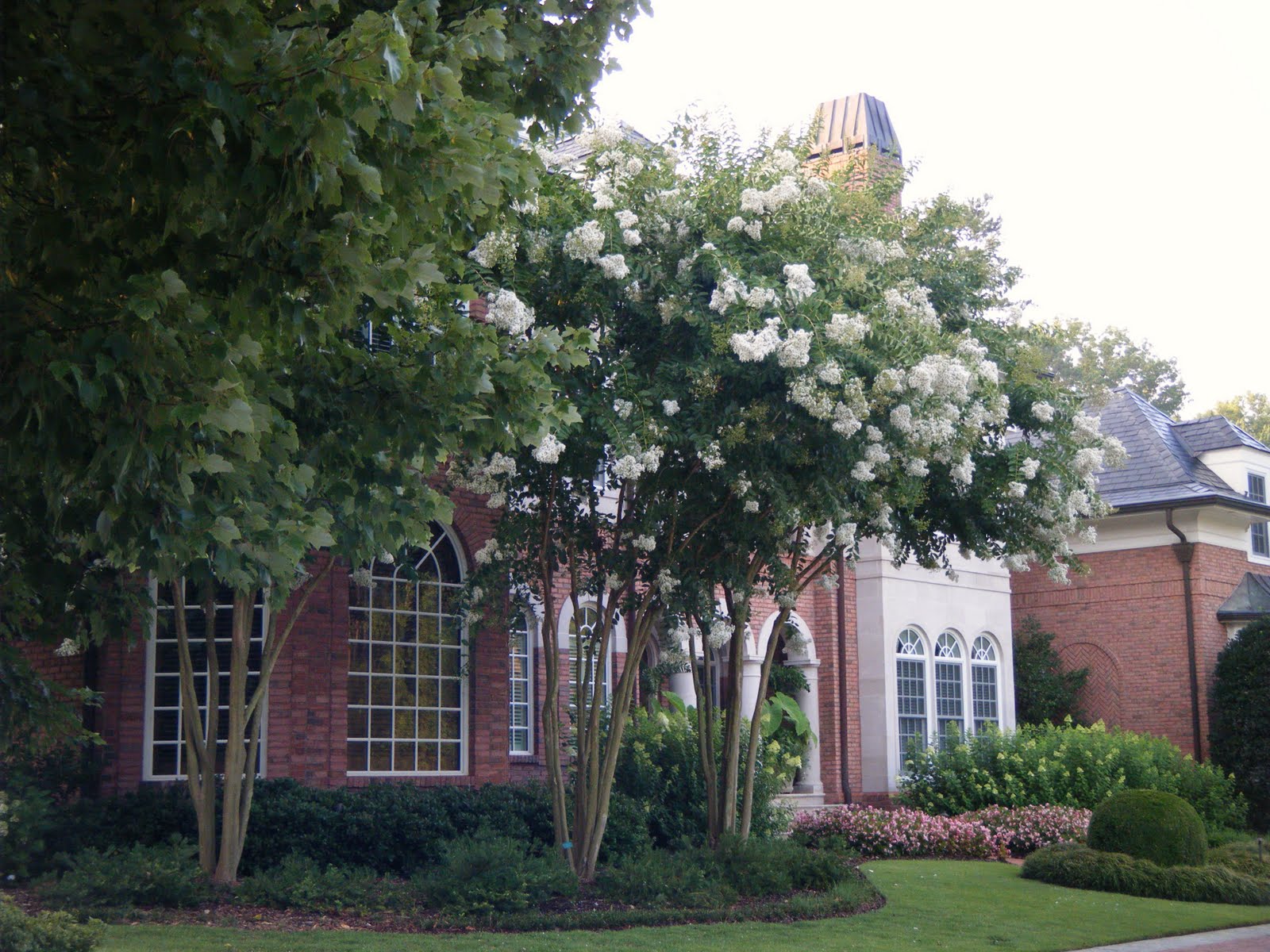
Six Crepe/Crape Myrtles [Lagerstroemia indica: Natchez] provide a bower for the Front Garden Walk.  These deciduous trees grow to 15 or 20 feet tall.  Remember:  Do not commit “Crape Murder!”  How lovely is the shape of the plant, when left alone!

The Third Story: A

Vines for Vertical Spaces [15-20 feet tall]:

We grow the evergreen vine, Ficus pumila [creeping fig] upon all of our masonry:  upon the Garden Walls, which enclose the sides and back gardens, and upon the Georgia red-brick exterior of our 1947 home.

The evergreen vine, Hedera [ivy] entwines the creeping fig.

The Third Story: B

Vines for Vertical Spaces:  [6-8 feet tall]:

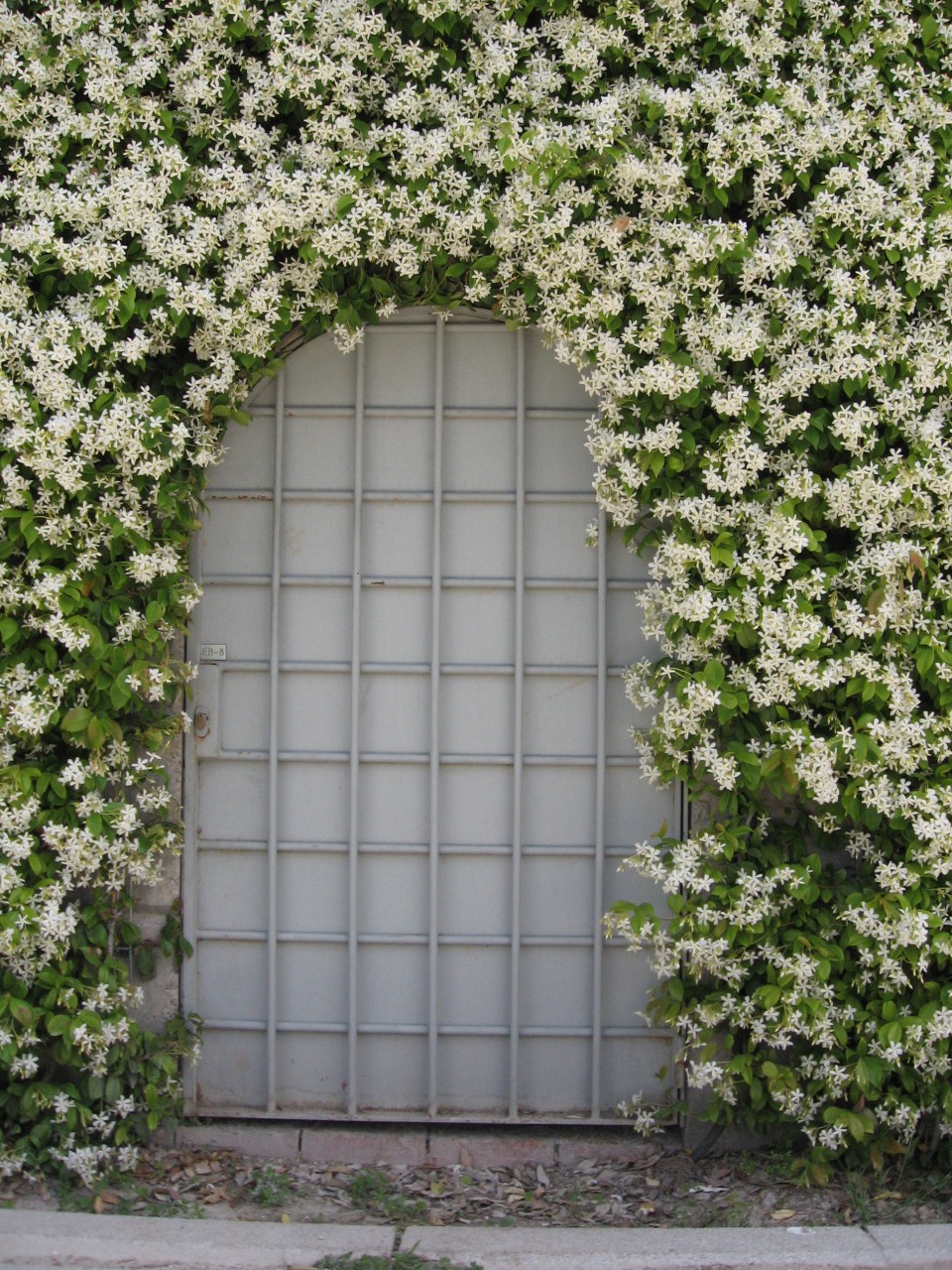
Upon three hand-forged cast-iron arched trellises, we grow Trachelospermum asiaticum [star jasmine or Confederate jasmine].  The blooms offer a delightful fragrance.

A note about vines: “The first year, they sleep; the second year, they creep; the third year, they leap!”

Coram Deo,

Margot


Leave a comment

Filed under Gardens