
Dear Readers,
[After you read this entry, click: How My Garden Grows: Six.]
This is Part Five of a series on Margot’s Get-Real Guide to Gardening in North West Florida.
THE VERTICAL SPACES OF YOUR GARDEN: [Continued]
I said previously, “When designing your gardens, think of a lofty and enchanting dwelling space, containing five stories or levels.”
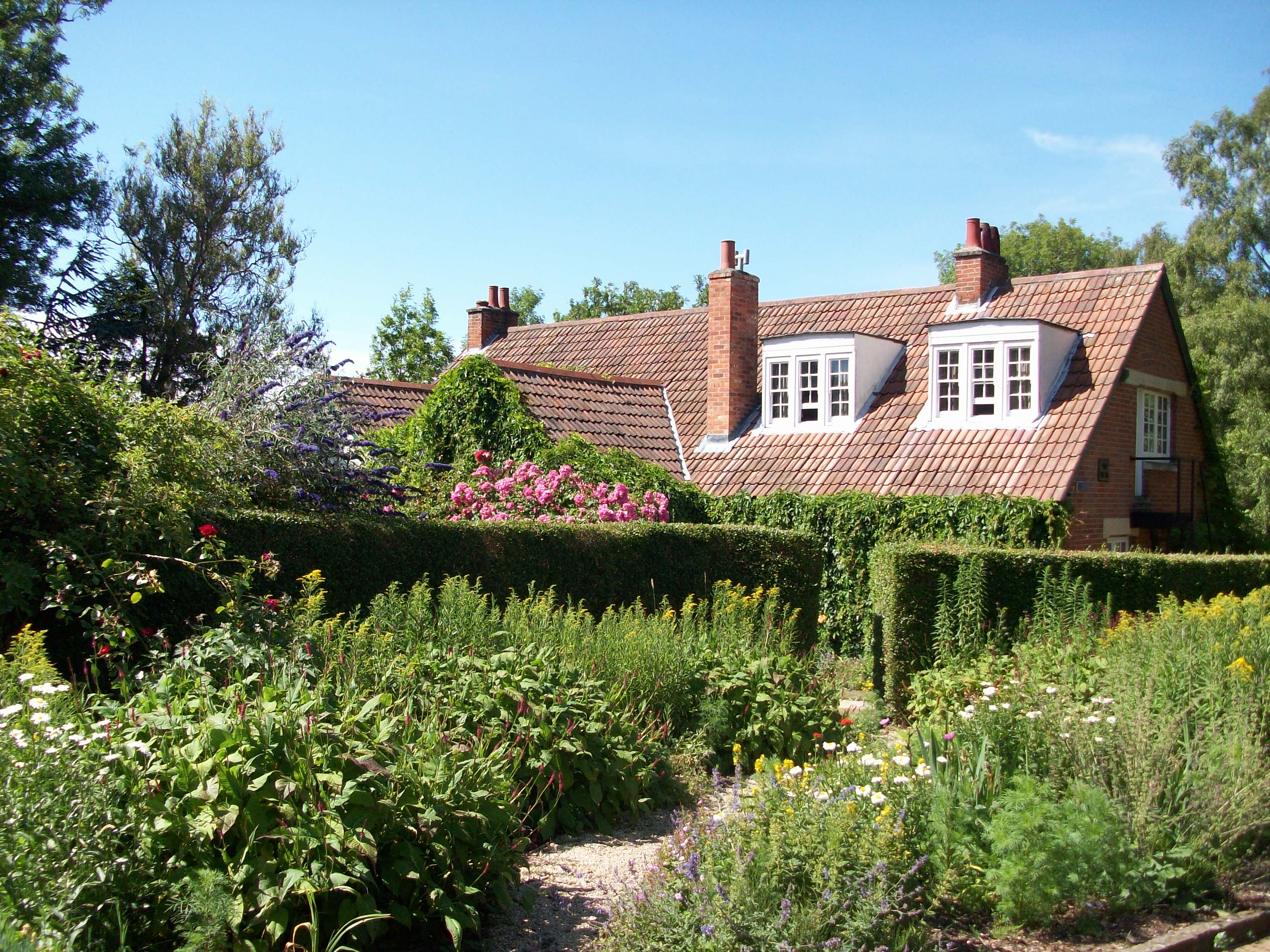
Notice the enchantment of the visually captivating assortment of vertical levels or stories of the gardens, in the photos above and below.
I draw inspiration from enchanting English country gardens, especially the gardens of British authors of classic literature:
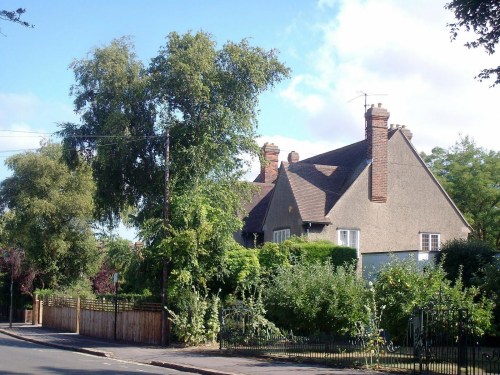
Northmoor Road: Home of J. R. R. Tolkien, Oxford.
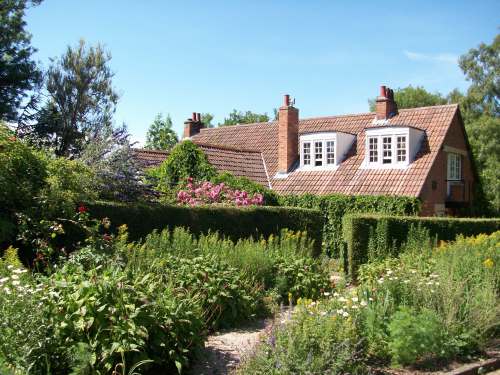
The Kilns: Home and Garden of C. S. Lewis, Oxford

Hilltop Farm: Home of Beatrix Potter
However, before you get “carried away,” by English Gardens, please remember: this is Garden Design in North West Florida!
Previously, I described Stories or Levels Five through Three, in descending order.
Today, we begin with Story or Level Two.
However, first, I will offer some Terms & Definitions:
Annuals bloom for only one season. You must re-plant them every year.
Perennials re-emerge, every spring, after lying dormant all winter.
Tender perennials may not re-emerge, after a hard frost during the winter.
Each perennial has its own life-cycle: Usually, they thrive for three to fifteen years, after which you may have to re-plant.
Evergreens: the foliage stays green all year.
Perennial Evergreens: the foliage stays green all year AND it provides seasonal blooms and interest.
A Note on Evergreens and Evergreen Perennials:
To me, there is nothing more depressing than walking out to my garden, in the winter, to view vast blank spaces where plants hide dormant.
So, I plant plenty of evergreens and evergreen perennials: They provide the “canvas” upon which I “paint,” when I add the color of annuals and perennials.
The Second Story: THE FOIL
In literature, the foil is:
“One that by contrast underscores or enhances the distinctive characteristics of another: ‘I am resolved my husband shall not be a rival, but a foil to me’ (Charlotte Brontë).
“. . . a character that has traits which are opposite from one of the main characters, in order to highlight various features of that main character’s personality.” [wiki answers]
Every garden needs a FOIL:
These plants, usually a hedge, form a “backdrop” for the plants in front of the foil. These foil plants, attractive in their own right, contrast with those plants placed in front of the foil. The contrast is very visually pleasing.
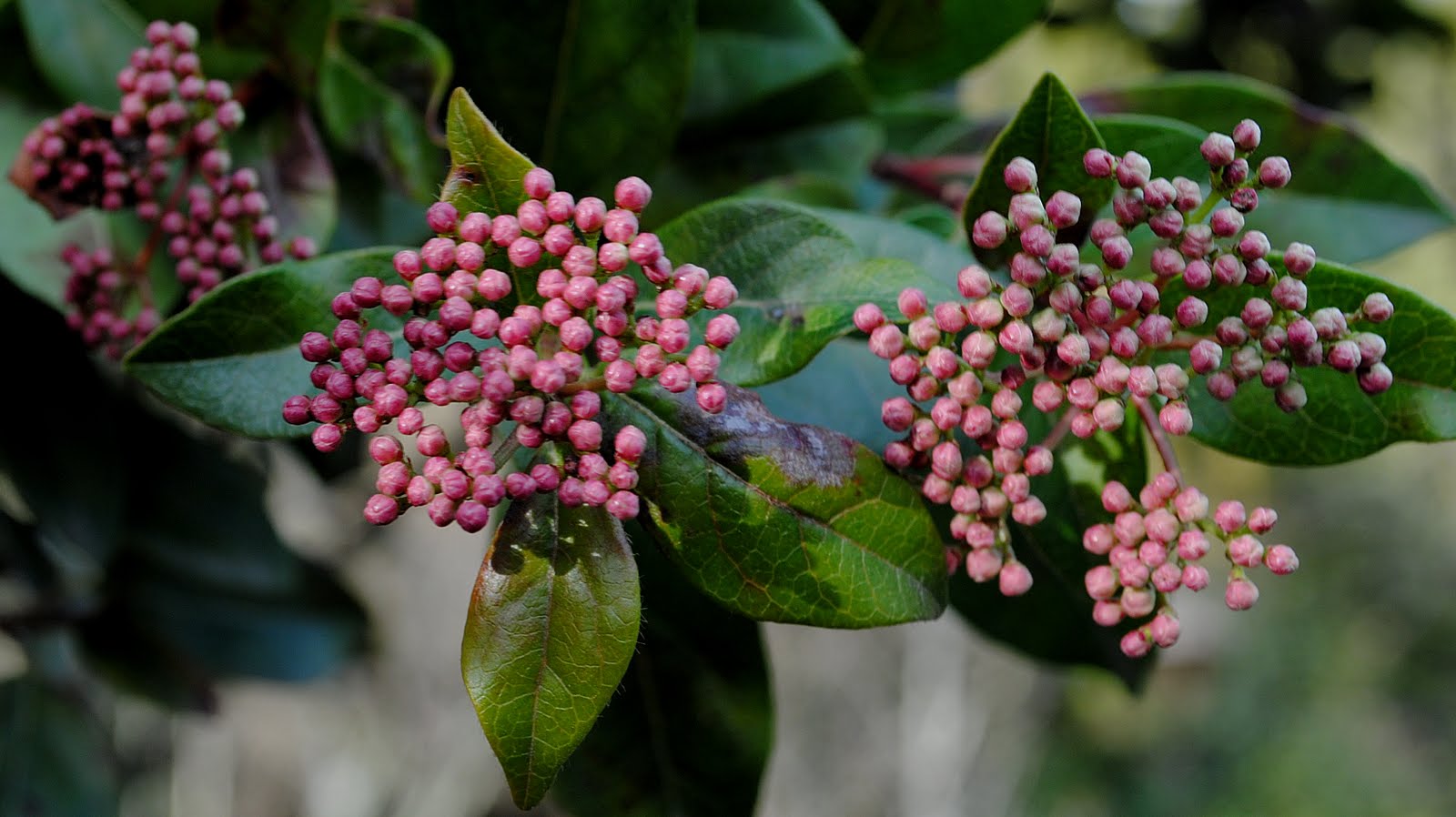
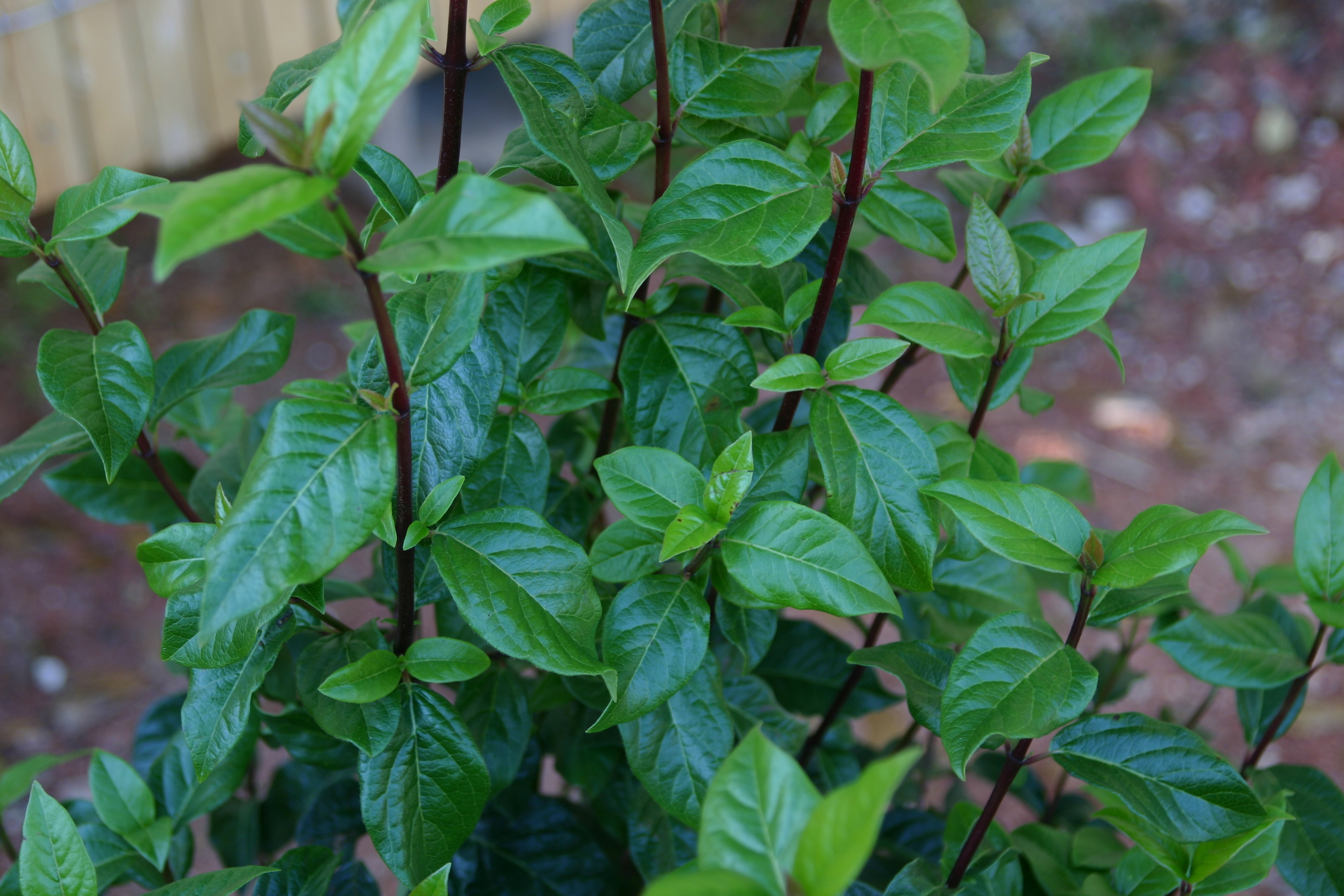
In my garden, the foil is a hedge of evergreen perennials: Viburnum tinus ‘Compactum’ [Spring Bouquet Laurustinus].
These are my “foundation plants,” placed in front of the foundation of my brick home. However, I staggered the young plants, to avoid the look of “little soldiers.” Also, I planted them with plenty of space away from the foundation. The open area between the brick and the staggered hedge of viburnum allows for “breathing space” and provides an allee: a walkway for gardeners and a hiding place for children.
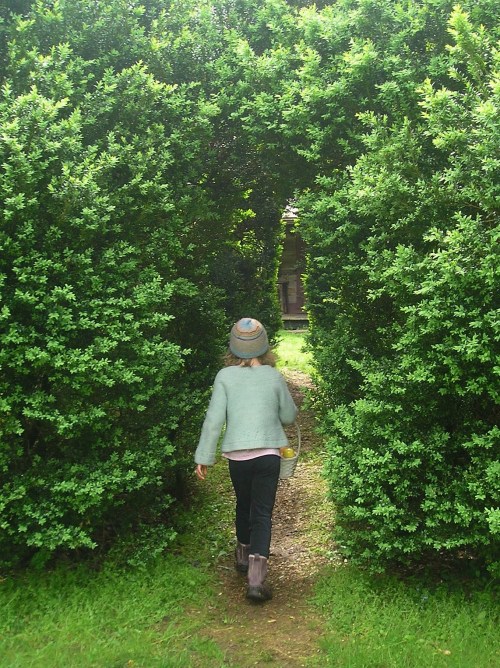
An Allee
[Photo Credit: “through the hedge,” from the blog: “morning sun rae”]
View the photos and read the description below, to appreciate the four-season interest of the Spring Bouquet Viburnum:
Spring Bouquet Viburnum: Winter
Spring Bouquet Viburnum: Early Spring
Spring Bouquet Viburnum: Spring
Spring Bouquet Viburnum: Summer
Spring Bouquet Viburnum is an evergreen shrub with small, leathery, dark, green leaves. The new stems flush wine-red then fade to green. Viburnum tinus ‘Compactum’ has dense fragrant white to light pink flowers in the spring. The fruit is a blue black berry in the fall. This Viburnum has a round compact upright growth habit and can get 5-6′ tall by 5-6′ wide making it perfect for small hedges or screens. [magnoliagardensnursery]
Hardiness: USDA Zones 7-11
Plant Use: Shrub
Exposure: Full Sun
Water Requirements: Medium
In front of the hedge, I have planted contrasting textures of Story or Level One evergreen perennials.
I will cover Story or Level One in How My Garden Grows: Part Six.

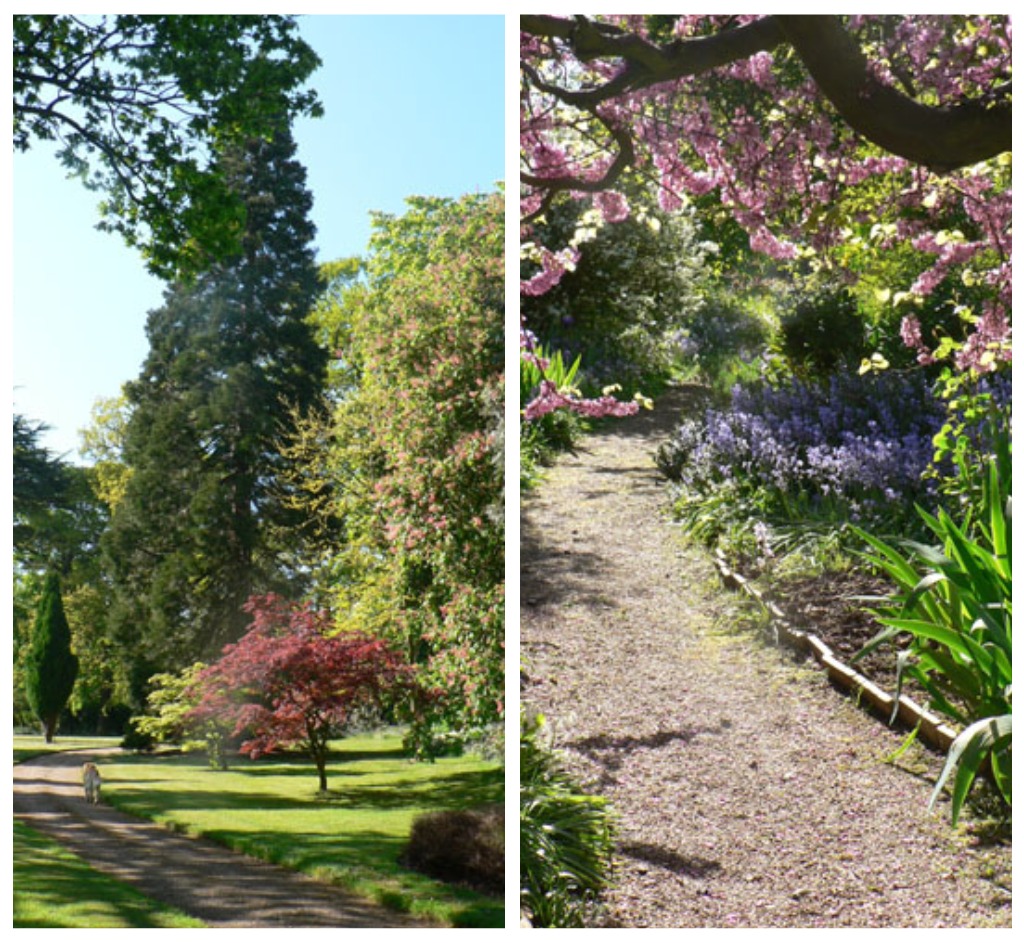







 Margot’s Corner