Tag Archives: food

The Egg and I: Margot’s Homemade Granola


blubergran

[Image credit: Youblogwhatyoueat]

Dear Readers,

“The Egg and I” is a series of blog entries related to all matters domestic.

To view the other entries of this series, click here:  The Egg and I: The Promised Land and here:  The Egg and I: The Dirty Dozen and the Clean Fifteen.

I am a no-fuss kind of gal who likes to prepare simple, nutritious food for my family.

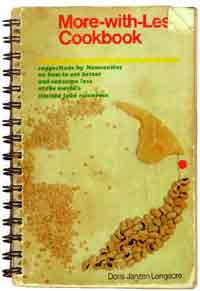
I have been making home-made granola since the 1970’s, when I bought the book, “MORE WITH LESS:  Recipes and suggestions by Mennonites on how to eat better and consume less of the world’s limited food resources [1976 edition].”

Before marriage, I did not know how to cook. So, I pored over this cookbook, as a novitiate might pore over a prayer-book.

After 25 years of employment, my beloved cookbook looked exactly like this:
acp_00_11

In 2000, I purchased the “25th Anniversary Edition:”

more-with-less-cookbook-recipes-8173l3

And, now, you can order the “30th Anniversary Edition” of the “More-With-Less” Cookbook:


9521

In the 25th Anniversary “More With Less” cookbook, you will find granola recipes on pages 89-93.  These recipes served as the basis for the recipe below.

I created a recipe that is free of:

  • gluten
  • peanuts and cashews [which are legumes — not nuts]
  • dried fruits

 . . . and that is also:

  • made entirely from organic sources
  • low-sodium
  • low-sugar
  • vegan

This recipe is so easy that I am not going to provide step-by-step photos.  You can do this!

Kitchen Tools:

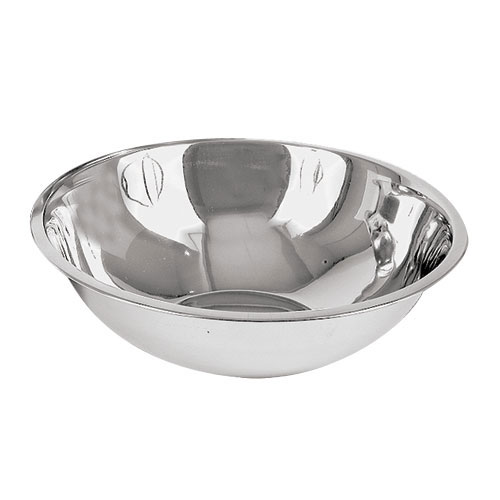
one 12-quart shallow stainless steel bowl, for mixing the granola
 

RoyalIndustries_ROYMIXBL13

one “turkey roaster” or something similar, for baking the granola
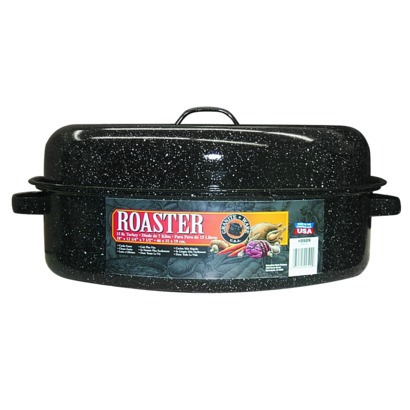
roaster

Pyrex or Corning glass measures cups:  2 cup and 4 cup.  Make sure these are made in the USA!

51XVPV836HL._SY300_

A large cooking spoon, to stir the mix.

A large bowl scraper: [I use a “unibody” silicone one.]

A kitchen timer.

Margot’s Granola Recipe:  

A.  Dry Ingredients:

Notes:

All of these organic ingredients are available from the Bulk Section of the New Leaf Market, in Tallahassee.

logo-lg

Click here for details:  New Leaf Market.

These dry ingredients are organic, raw, unsalted, unsweetened, and unroasted:

12 cups rolled oats, gluten-free

2 cups each:  sunflower seeds; pumpkin seeds; coconut [unsweetened, shredded]; buckwheat groats [kasha]

1 cup each: sesame seeds; flax seeds or flax seed meal; hemp seeds [hulled/”hearts”]

1 cup each of the following nuts:  chopped, sliced, or diced:

–walnuts, pecans, almonds

B.  Liquid Ingredients:  

Notes:  

All ingredients are organic and pure.  

The proportion of liquid to dry ingredients is about 1:6.  If you prefer a more moist granola, increase the liquids.

In the following order, measure each ingredient in the two-cup glass measure and then pour into the four-cup glass measure:

1 cup total oil:  I just use oil but you may choose a combination of oil, coconut oil, and almond butter.

1 cup total sweetener:  We use East Hill Honey Company raw local honey.  You may also use maple syrup.

65524_595582710469360_1590099405_n

Click here to order the honey:  East Hill Honey Company.

1/2 cup water

1 Tablespoon pure vanilla

1 Tablespoon cinnamon

1 teaspoon nutmeg

1/2 teaspoon each: cloves, cardamom

1-2 teaspoons sea salt

Instructions:

Dump all the “A” ingredients into the bowl or turkey roaster.  Stir well.

Cover the four-cup glass measure with a glass plate. Heat all the “B” ingredients in the glass measure in the microwave.  Use 30-second intervals on “high.”   Stir well after each interval.  Continue, until mixed well.  Do not over-heat.

Slowly pour the liquid ingredients into the dry ingredients.  Stir.  Add more liquid.  Stir.  Etc.

Use the bowl scraper. Keep stirring, until the liquid and dry ingredients are thoroughly mixed.

Divide the granola into two equal batches.  Reserve the second batch.

Dump the first batch into the bowl or roasting pan.  Spread out the granola.

Bake the granola in a 300 degree oven.  Set the kitchen timer for 15 minutes.  Go watch a movie and stir the batches every 15 minutes.  Do not burn the granola!

When the granola reaches a color of golden, crunchy perfection, remove the first batch.  Dump the first batch into a container, to cool.

Now bake the second batch, following the above instructions.

When cool, store your batches of granola in air-tight “locking” food storage containers.  Store one container in the pantry.

Store the other containers in the freezer.

Enjoy!

~~~Margot

Leave a comment

Filed under healthy nutrition, Recipes

The Egg and I: “The Dirty Dozen and the Clean Fifteen”

Dear Readers,

I try to buy local, in season “organic” produce, whenever possible.  However, use this handy guide, when your only choice is “conventional” produce.

The Dirty Dozen:  Buy organic!

apples

celery

strawberries

peaches

spinach

nectarines

grapes

bell peppers

potatoes

blueberries

lettuce

kale/collard greens

The Clean Fifteen:  The Lowest in Pesticides:

onions

sweet corn

pineapple

avocado

asparagus

sweet peas

mangoes

eggplants

cantaloupe

kiwi

cabbage

watermelon

sweet potatoes

grapefruit

mushrooms

For more information and recipes about local, in season, organic produce:

This “12 and 15” list is courtesy of:

Verity Health Center

6668 Thomasville Road, Suite 14

Tallahassee, FL  32312

http://www.verityhealthcenter.com

850.320.6158

Leave a comment

Filed under Nutrition

The Egg and I: The Promised Land

Dear Readers,

Since I have high cholesterol, I have been comparing Low-Glycemic vs. Low Carbohydrate vs. Low-Fat diets.  I  have listed the three diet categories in descending order of effectiveness, according to new scientific studies.

And I have this to say about the new findings:  “Well, duuuhhh!”   I have known this for decades!  The evidence is clear and incontrovertible:  Low-fat diets are evil and they are not ordained by our Creator God.

I will begin my case:

The ancient Hebrews spoke about the Promised Land and described it as a land “flowing with milk and honey.”   

The point was, of course, that the Promised Land would offer not only the basic irreducible minimum  sources necessary to support life [bread and water] but also that the land would yield rich produce:

These rich foods would offer not only nutrition but also delight and pleasure.  Milk and honey represented gifts from the rich and generous bounty of the Creator, designed for human flourishing.

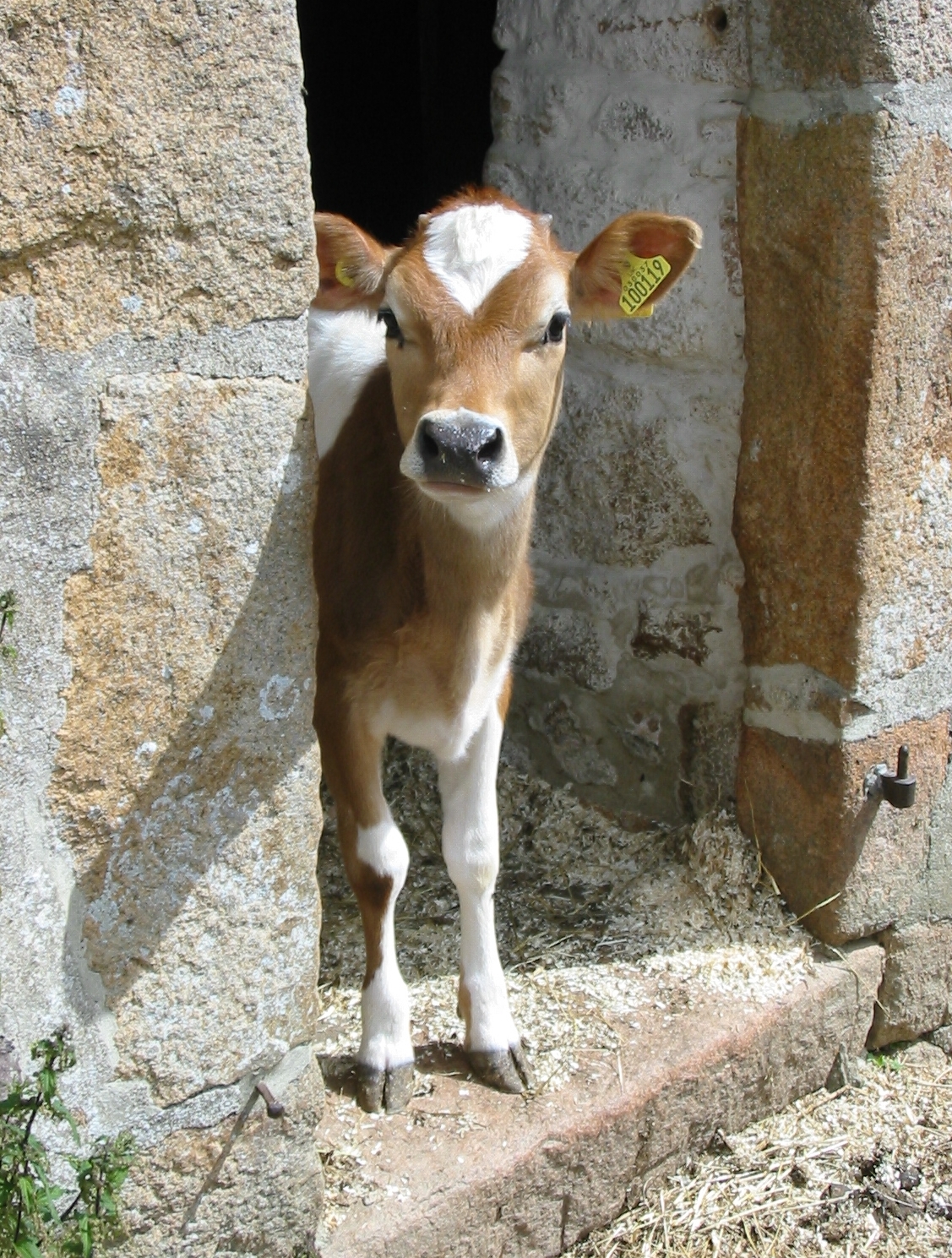
You can be sure that the cows and goats offering milk in the Promised Land were contented domestic creatures:  free-range, vegetarian, and grain-fed, with no need of steroids, antibiotics, and hormones.  The grass on which they grazed was untouched by herbicides and fungicides.  The air which they breathed and the water they drank was unpolluted, clear, and pure.  Doubtless, each small farm owner knew his/her cows and goats by name and treated each creature with respect.

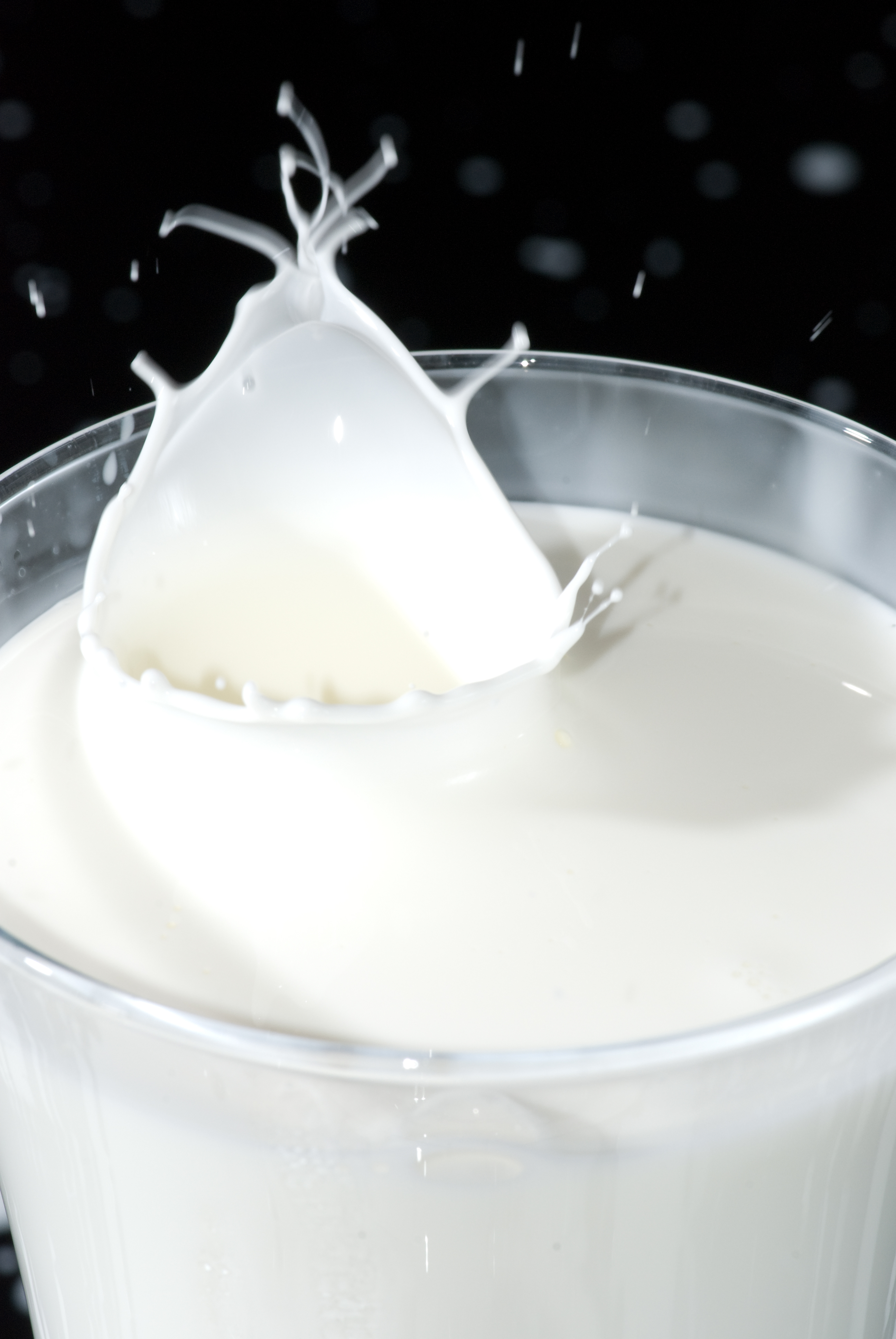
The Promised Land dairy farmers skimmed off the cream from the top of the milk bucket, to make rich butter.  They converted full-fat milk into rich cheese, Kefir, and yogurt.

However, I doubt that any self-respecting Promised Land dairy farmer would have dreamed of offering his neighbors the travesty of “skim milk.”  That would have been a sacrilege.  When the dairy farmer brought his stone jars to the market place, I imagine there were only two choices of liquid milk:  “cream” and “milk,” according to the original design of the Creator.

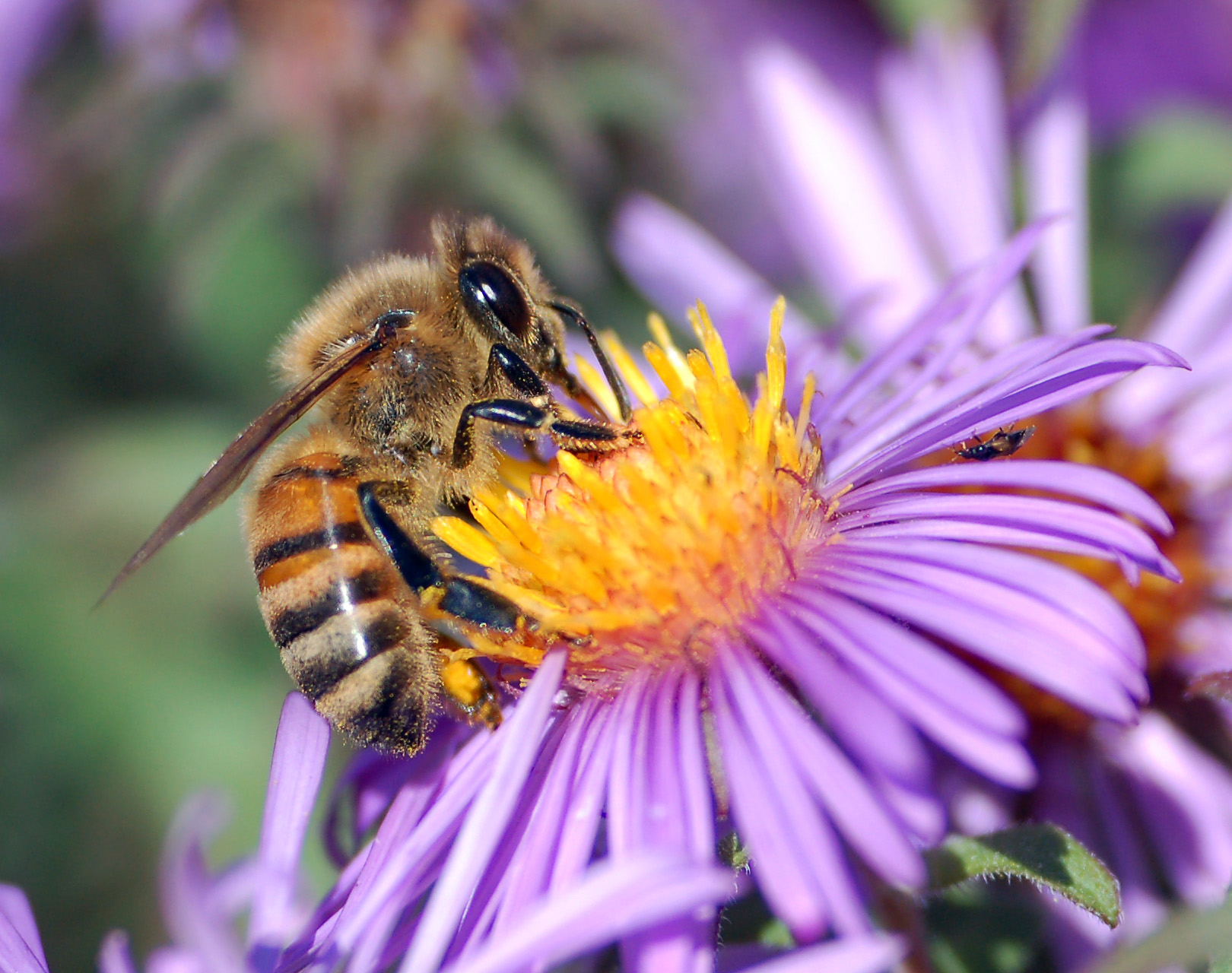
The Promised Land honey bees were  healthy, and prolific, busily visiting organic wild flower meadows and producing organic honey.  The  environment and ecosystem of the bees were untouched by chemicals, toxins, and pollutants.

The Promised Land honey bees yielded pure honey, which would not only sweeten foods and beverages but would also be a healing balm for skin, a soothing balm for sore throats, and a source of rich nutrients, including anti-allergy benefits.

All of the Promised Land produce was Certified Kosher yet there was no need for Organic Certification.  In the Promised Land, “organic” milk and honey was the standard.  “Organic” was all that existed; therefore rendering a label superfluous.

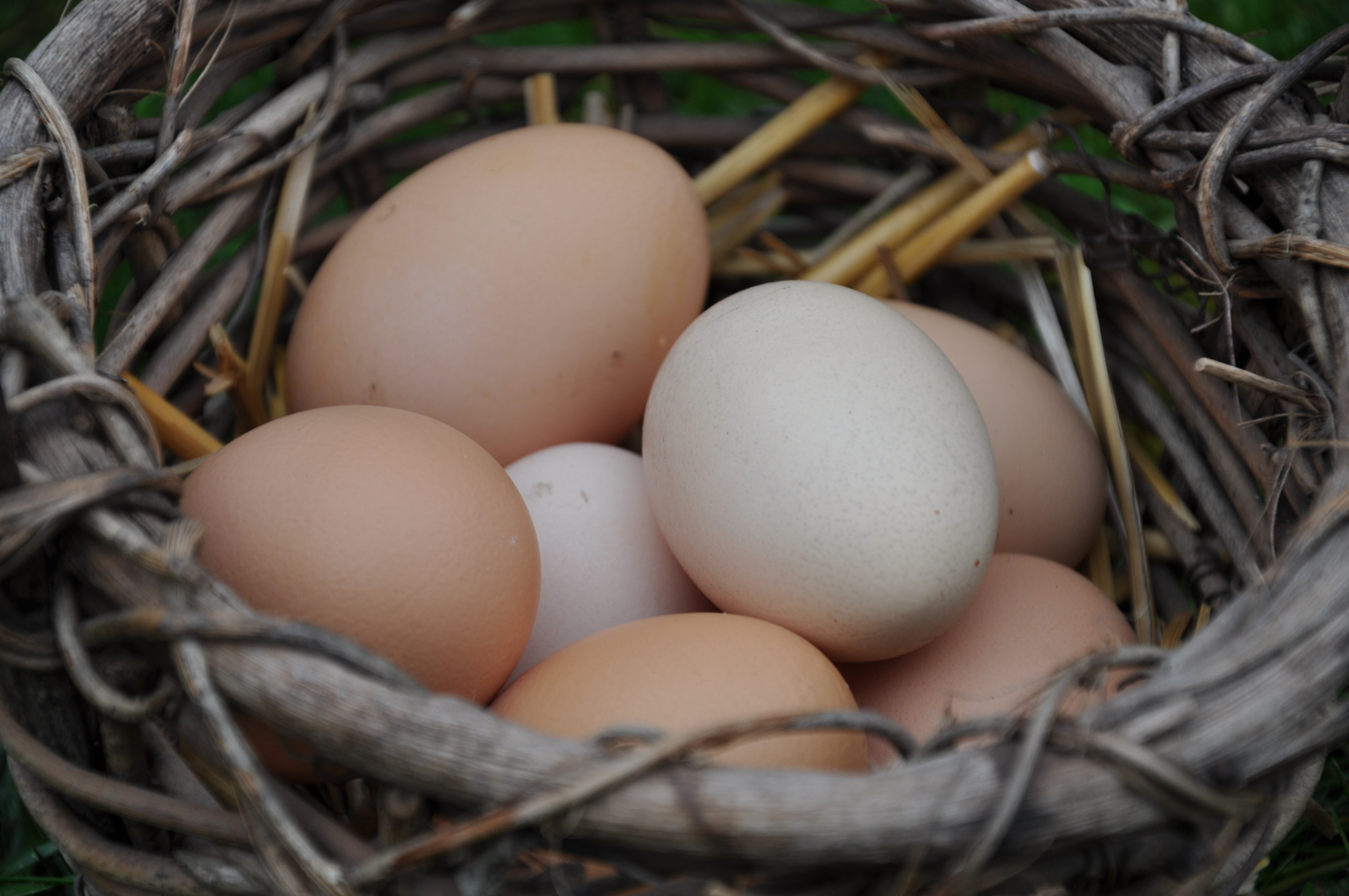
Now, behold the egg:  The perfect shape — containing the perfect nutrition.  The Promised Land hens were range-free vegetarians, happily scratching around for insects.  The hens enjoyed pure air, water, grass, and grain and their eggs yielded higher protein and nutrients and yet offered lower levels of cholesterol, compared to those of today’s “conventional” eggs.

 The Promised Land farmers enjoyed the benefits of a protected ecosystem.  They respected the symbiotic working partnership between the land-owner, the earth, the animals, fowl, insects, bees, grass, flowers,  water, and air.

Now, what has transpired since then, to spoil the design of the original Creation?  

Who thought that it was a good idea to:

Divide the yolk from the egg?  

Extract all the fat from the milk?

Ignore honey, in favor of artificial sweeteners?

Have you ever taken delight or pleasure in these travesties:

An egg white?

A glass of skim milk?

An artificially-sweetened food or beverage?

I rest my case.

You can learn more about these topics with these resources:   

Barbara Kingsolver and her family.

Have you ever wondered why so many of us are Wheat-Free and Gluten-Free?   This book will answer that question.

Books [novels, poems, and essays] by Wendell Berry

 Books by Michael Pollan


Fresh, by Ana Sofia Joanes

http://www.FRESHthemovie.com

http://www.videoproject.com

Order this curriculum and form a discussion group:  

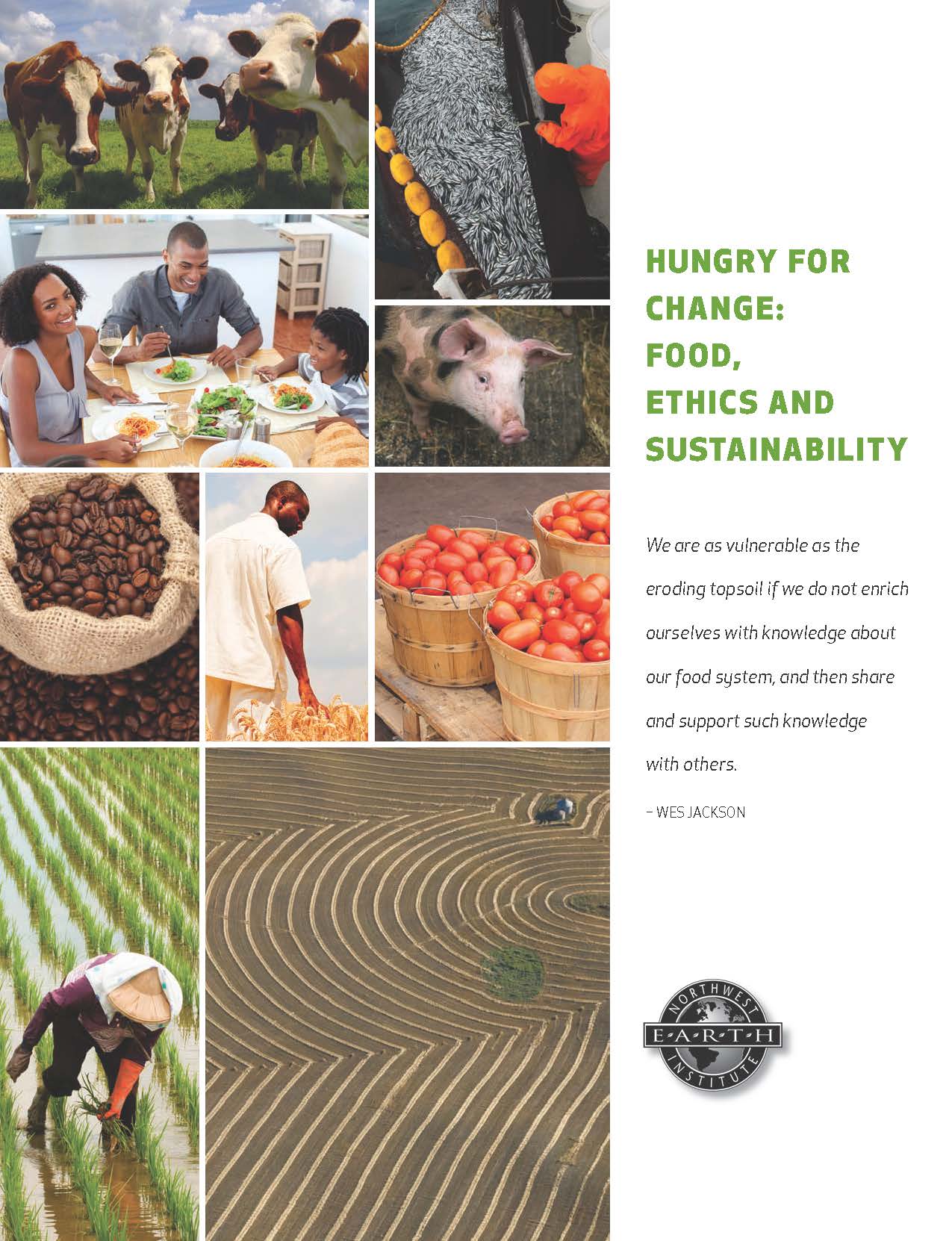
Hungry For Change:  Food, Ethics, and Sustainability 

http://www.nwei.org

Northwest Earth Institute NWEI

107 SE Washington, Suite 235

Portland, OR  97214

503.227.2807

503.227.2917 [fax]

contact@nwei.org

Coram Deo,

Margot

[With many thanks to my sister, Susan Blair Hollister, for recommendations on many of these resources.]

2 Comments

Filed under Nutrition